

Renovation vs New Build: Which is Cheaper for Kenyan Commercial Properties?
If you are comparing commercial renovation cost Kenya vs new build, this guide explains which option saves more money and why.
Understanding Commercial Renovation Cost Kenya vs New Build
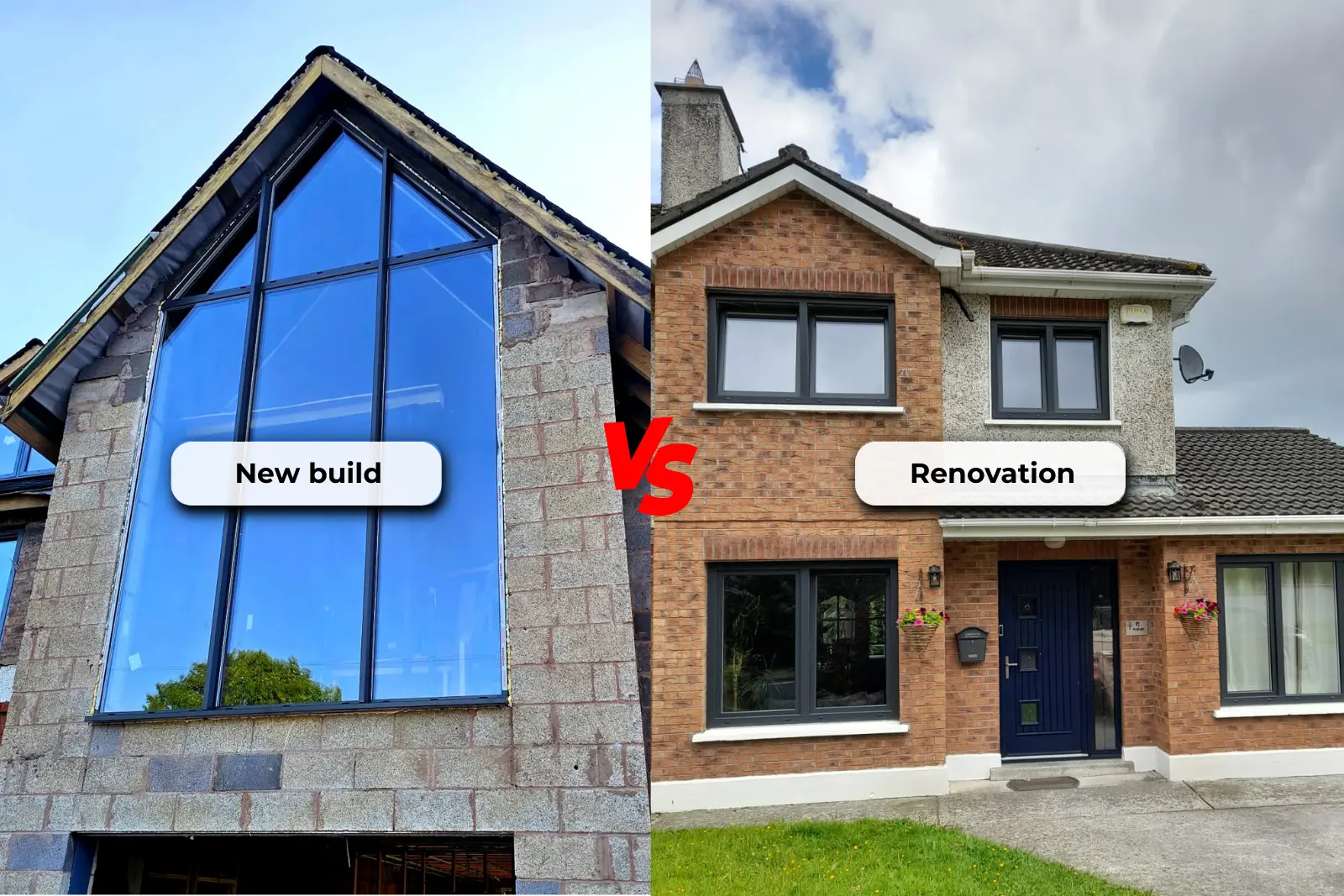
Renovating means improving an existing commercial space, while a new build means starting from scratch.
Many Kenyan property owners compare commercial renovation cost Kenya vs new build to know where the real savings are.
When Renovation Is Cheaper
Lower Construction Work
Renovation is cheaper when the building structure is still strong. You only fix what is needed—floors, walls,
roofing, plumbing, or lighting.
Faster Project Timelines
Renovation usually takes less time than a new build. Less time means lower labour costs and quicker reopening of the business.
Less Approvals
Renovations in Kenya often require fewer approvals compared to new constructions, saving time and money.
When a New Build Is the Better Option
Old or Weak Structures
If the old building has major structural issues, renovation becomes expensive. In such cases, a new build may be cheaper long term.
Custom Layout and Modern Standards
New builds allow you to design the exact layout your business needs. This is helpful for warehouses, supermarkets,
factories, and offices.
Lower Maintenance in the Future
A new building reduces repair costs later, making it a smarter investment for high-use commercial spaces.
Comparing the Real Costs
When looking at commercial renovation cost Kenya vs new build, here is the simple breakdown:
- Renovation cost (Kenya): Usually KSh 2,500 – 15,000 per m², depending on finishes.
- New build cost (Kenya): Usually KSh 30,000 – 60,000 per m², depending on design and materials.
Renovation is cheaper upfront, but a new build is cheaper long term if the old building is too damaged or too limited
for modern needs.
So, Which Option Is Cheaper?
If your building is in good condition, renovation wins. If your building is old or your business needs a fresh design,
a new build is better value.
To decide, check:
- Building condition
- Future maintenance
- Business needs
- Available budget
This will help you compare the commercial renovation cost in Kenya vs the new build correctly.
Company
Universal Innovations & Industrial Limited
Most Recent Posts
- All Post
- Building Design & Finishes
- civil engineering in Kenya
- Construction Insights & Tips
- Construction Works in Kenya
- Electrical Installations in Kenya
- Fuel Infrastructure Projects
- HVAC services in Kenya
- Industrial & Corporate Construction
- Industrial Fabrication & Welding

Explore Our Services
Universal Innovation & Industrial Ltd. delivers high-quality mechanical, civil, and electrical engineering solutions with a commitment to safety, innovation, and efficiency—explore our services to see how we can support your next project.



If you’re also planning a residential project, check out our guide on how much it costs to build a standard house in Nairobi in 2025.
Need Professional Help?
Universal Innovations can inspect your building and guide you on the best option, renovation or new build, based on real costs.
FAQ – Commercial Renovation Cost Kenya vs New Build
1. Is renovation cheaper than building a new commercial property in Kenya?
In most cases, yes. Renovation costs are lower if the existing structure is still strong. This is why many owners compare commercial renovation cost Kenya vs new build before starting a project.
2. How much does commercial renovation cost in Kenya?
Most renovations cost between KSh 2,500 – 15,000 per m², depending on materials and the amount of work needed.
3. When is a new build better than renovation?
A new build is better when the old structure is weak, outdated, or cannot support your business layout. In such cases, the long-term cost is lower than renovating.
4. Does renovation take less time than a new build?
Yes, renovation is usually faster. This is one of the key reasons people compare commercial renovation cost Kenya vs new build when planning business upgrades.
5. Who can help me choose between renovation and new build?
A professional contractor can inspect the building and provide a clear recommendation based on cost, safety, and future maintenance.