

Terrazzo vs Ceramic Tiles:
Comparing Flooring Options in Residential & Commercial Spaces
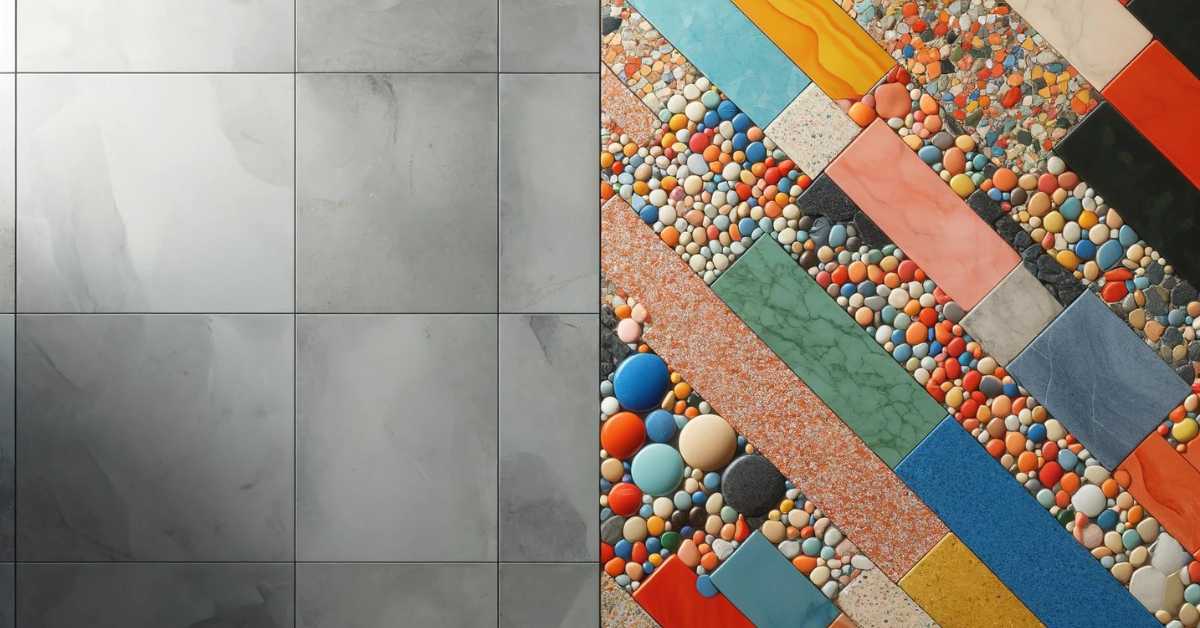
When planning floors, Kenyan developers and managers often weigh terrazzo vs ceramic tiles for their properties. Both materials have unique installation methods, durability profiles, maintenance needs, and local availability.
This guide provides an in-depth comparison, including 2025 pricing and long-term costs, to help property owners make informed decisions.
Table of Contents
- Installation and Materials
- Durability and Maintenance
- Pros and Cons
- Design and Aesthetics
- Cost and Lifetime Value
- Local Availability and Trends
- Which Should You Choose?
1. Installation and Materials
Ceramic Tiles
Ceramic tiles are factory-made and come in standard sizes. Installation involves preparing a level subfloor, applying mortar or adhesive, laying tiles, and grouting joints.
In Kenya, common ceramic tiles cost roughly KSh 900–2,100 per m², with labor, adhesive, and grout adding about KSh 1,500–3,500/m². Most local hardware stores stock a wide variety of designs.
Ceramic tile installation is relatively quick and straightforward, making it a popular choice for homes and small businesses. The main advantage lies in ease of installation and lower initial cost.
Terrazzo
Terrazzo flooring is custom-poured using a mix of cement (or epoxy) and crushed stone chips, which is then ground smooth and sealed on-site.
Installation is more involved and requires specialized contractors. It typically costs around KSh 1,600–2,000/m² (including materials and labor).
While terrazzo projects take longer, they result in a seamless, durable, and premium-looking floor, appealing to commercial and high-end residential projects.
2. Durability and Maintenance of terrazzo vs ceramic tiles
Terrazzo
Terrazzo is renowned for its toughness — when properly installed, it can last over 40 years with minimal wear. It resists scratches, abrasions, and heavy loads far better than most tiles.
Routine maintenance is simple: regular sweeping and occasional mopping with a neutral cleaner. Many Kenyan public buildings use terrazzo for its longevity and low upkeep.
Ceramic Tiles
Quality ceramic tiles can last 15–20 years under normal conditions. They’re water- and stain-resistant but can chip or crack under heavy impact.
Grout lines may discolor over time, requiring periodic maintenance. While ceramic floors are easy to clean, terrazzo remains more durable and lower-maintenance in the long run.
3. Pros and Cons
| Feature | Terrazzo | Ceramic Tiles |
|---|---|---|
| Durability | 40+ years | 15–20 years |
| Installation | Complex, needs specialists | Simple, fast |
| Initial Cost | Higher | Lower |
| Maintenance | Minimal | Regular (grout, replacements) |
| Design Options | Custom colors and patterns | Wide range of ready-made styles |
| Comfort | Hard and cold underfoot | Warmer, easier to replace |
In Kenya’s context, tiles are budget-friendly, while terrazzo is ideal for long-term, premium builds.
4. Design and Aesthetics
Both flooring types offer aesthetic versatility:
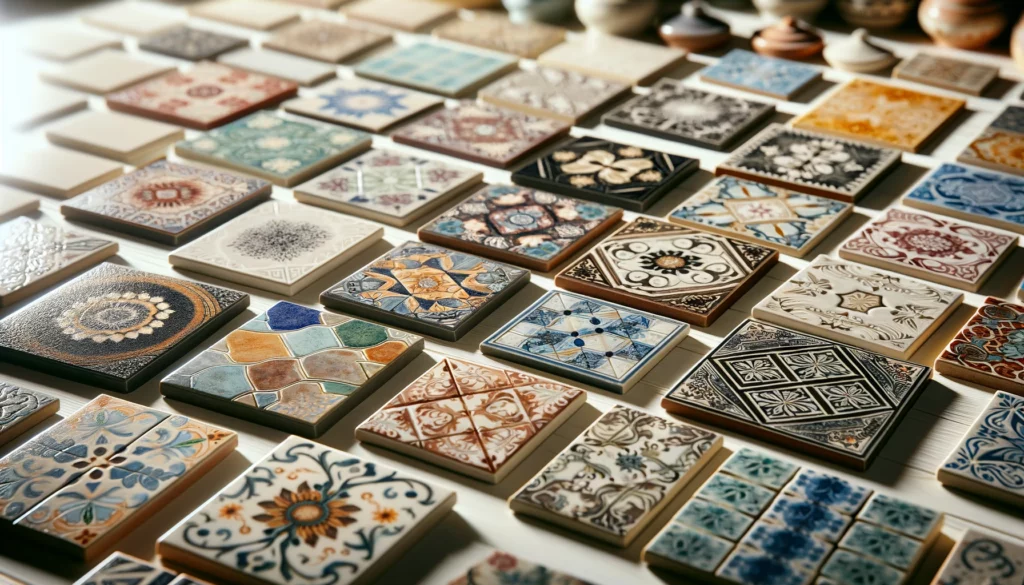
- Ceramic Tiles: Available in countless colours, patterns, and finishes, including wood-look and stone-look options. Ideal for mixing patterns or zoning spaces.
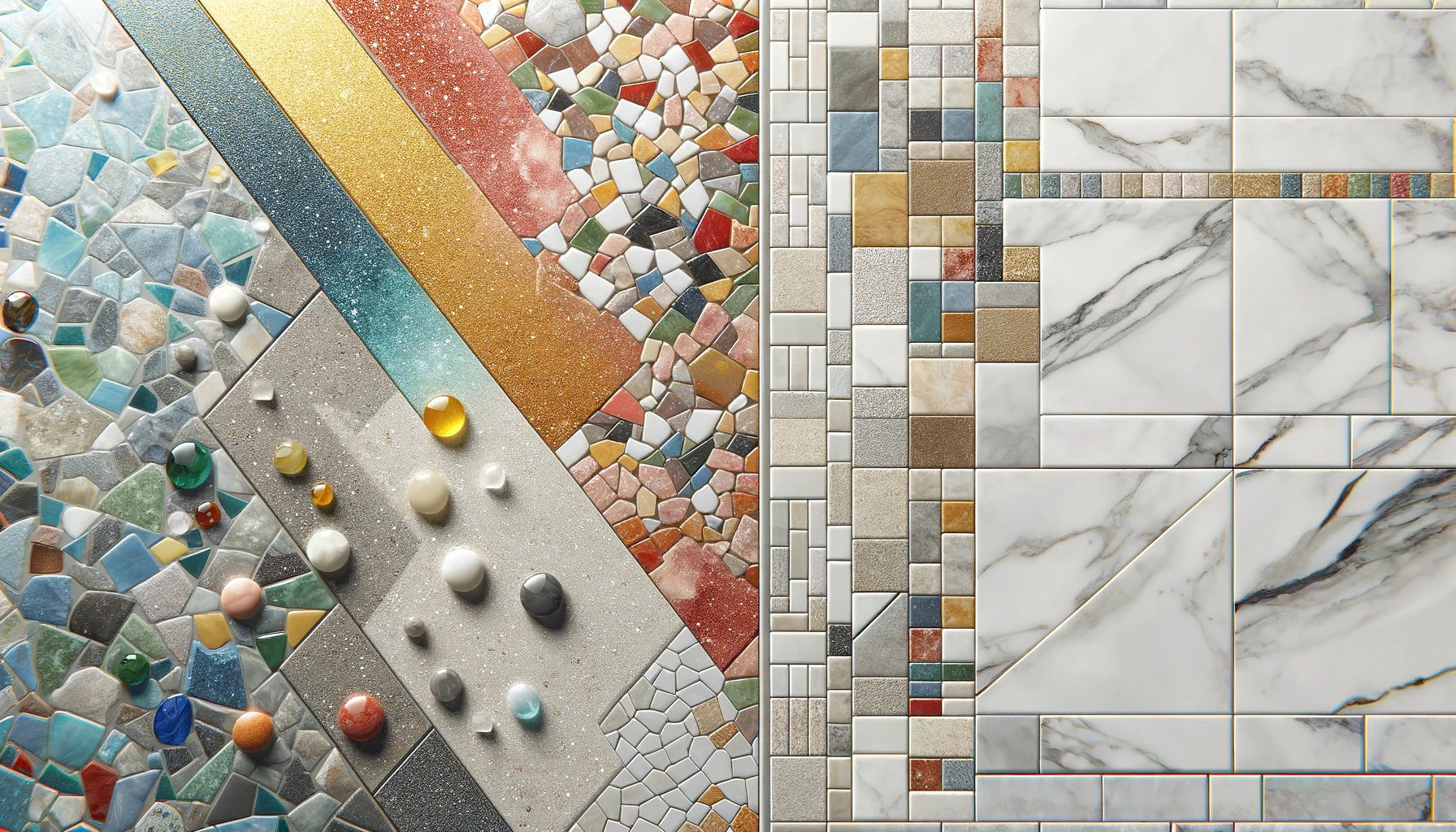
- Terrazzo: Poured in continuous slabs, allowing designers to add custom aggregates, colors, and even logos. Offers a sleek, uninterrupted surface for modern or luxury interiors.
Designers in Kenya often decide between the modular creativity of tiles and the bespoke elegance of terrazzo.
5. Cost and Lifetime Value of Terrazo Vs Ceramic Tiles
At first glance, ceramic tiles seem cheaper:
- Tiles: KSh 900–2,100/m² (materials) + 1,500–3,500/m² (installation) = KSh 2,500–4,000/m² total
- Terrazzo: Around KSh 1,600–2,000/m² (materials + labor)
However, long-term costs favor terrazzo. Over 40 years:
- A ceramic floor may need two replacements → ~KSh 5,000/m² total
- Terrazzo can last 40+ years at only KSh 2,000/m²
That’s roughly KSh 125/m²·year for ceramic vs KSh 50/m²·year for terrazzo — meaning terrazzo can cost half as much per year of life.
6. Local Availability and Trends
Ceramic tiles are widely available across Kenya through major local brands and hardware stores. They’re easy to source and ideal for everyday residential or office projects.
Terrazzo, by contrast, is handled mainly by specialist installers and typically used in large-scale or premium projects.
In 2025, terrazzo demand is rising in Kenya’s commercial sector, but ceramic tiles continue to dominate general flooring due to convenience and accessibility.
7. Which Should You Choose? Between Terrazo Vs Ceramic Tiles
The choice depends on your priorities:
- Ceramic Tiles: Best for quick installations, moderate budgets, and decorative flexibility.
- Terrazzo: Best for long-term durability, minimal maintenance, and a high-end finish.
In short, ceramic tiles win for affordability and speed, while terrazzo excels in lifespan and value. When comparing terrazzo vs ceramic tiles in Kenya, the key question is simple: Do you want to pay less now, or less later?
Company
Universal Innovations & Industrial Limited
Most Recent Posts
- All Post
- Building Design & Finishes
- civil engineering in Kenya
- Construction Insights & Tips
- Construction Works in Kenya
- Electrical Installations in Kenya
- Fuel Infrastructure Projects
- HVAC services in Kenya
- Industrial & Corporate Construction
- Industrial Fabrication & Welding


Explore Our Services
Universal Innovation & Industrial Ltd. delivers high-quality mechanical, civil, and electrical engineering solutions with a commitment to safety, innovation, and efficiency—explore our services to see how we can support your next project.

Related Project: Mosque Flooring Case Study
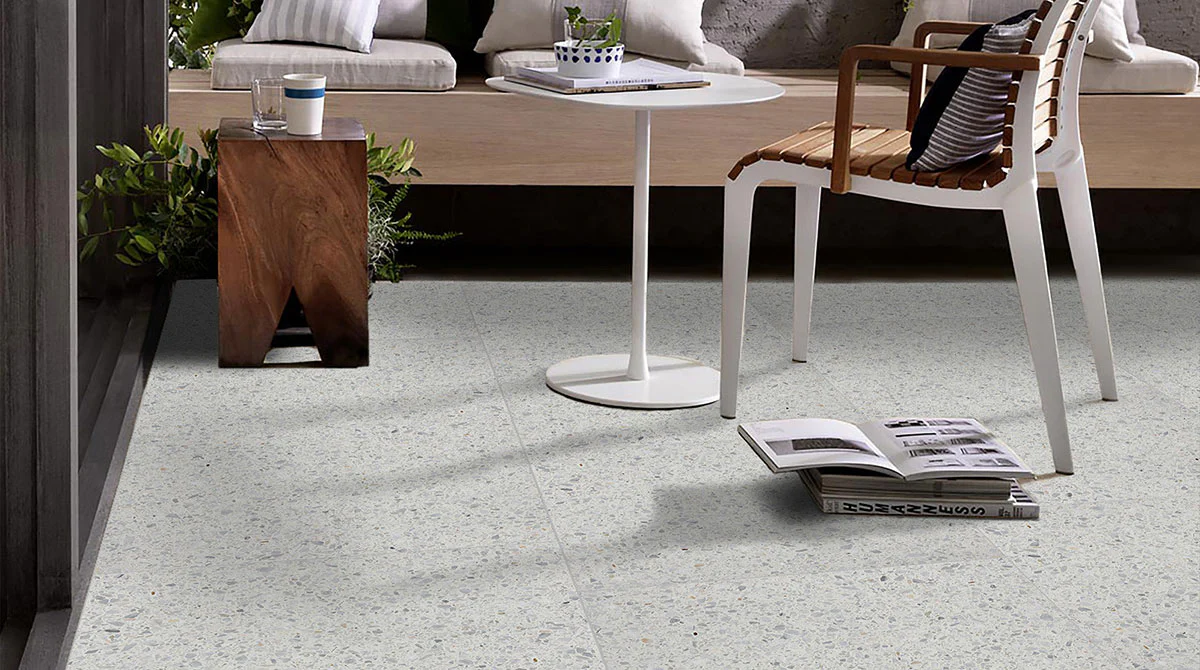
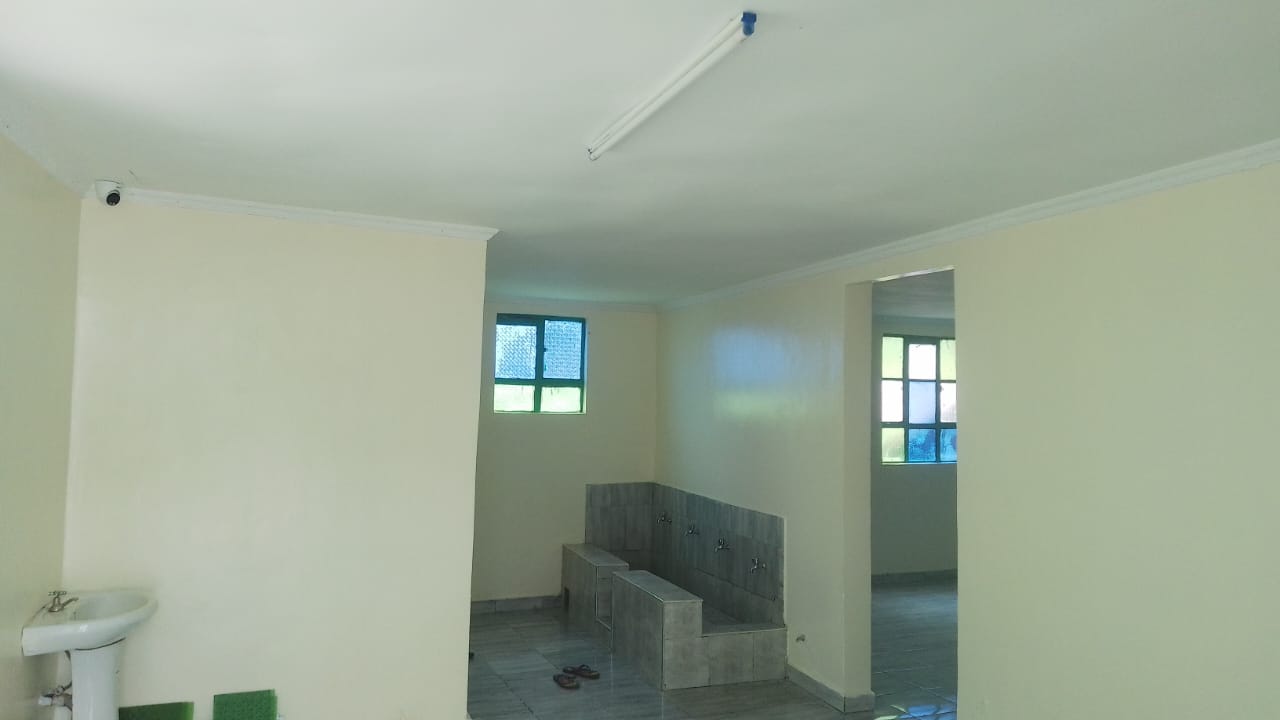
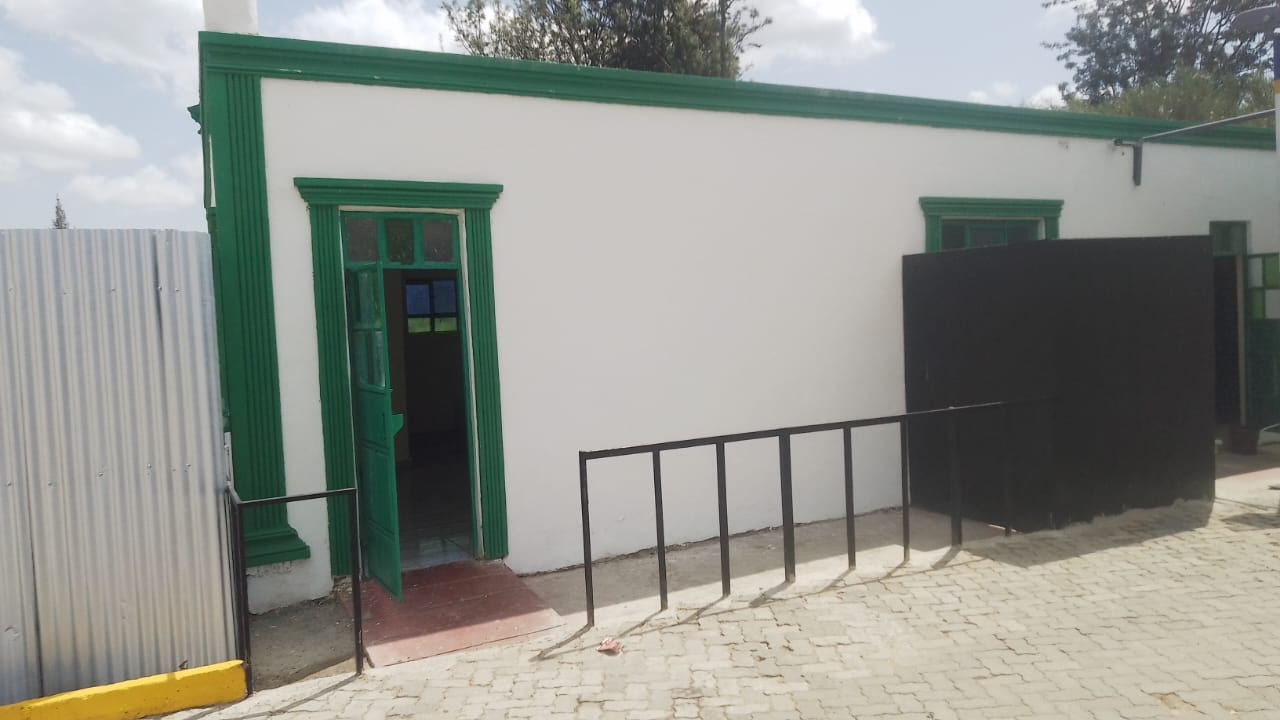
See how terrazzo flooring transformed a modern mosque in Kenya, delivering durability, elegance, and long-term value. [Read the full case study]For a deep-dive comparison and the final verdict, read our article: Which Is Better: Terrazzo or Tiles for Kenyan Homes?
Need Expert Flooring Advice?
Whether you’re building a new home, renovating your office, or managing a commercial project, choosing the right floor is crucial. Talk to our experts for professional guidance on terrazzo and ceramic tile installation in Kenya.
Frequently Asked Questions (FAQ) – Terrazzo vs Ceramic Tiles in Kenya
1. What is the difference between terrazzo and ceramic tiles?
Terrazzo is a poured flooring made from a mix of cement (or epoxy) and stone chips, ground and polished for a seamless look. Ceramic tiles are factory-made pieces installed with adhesive and grout. Terrazzo gives a continuous surface, while tiles come in fixed patterns and sizes.
2. Which is cheaper between terrazzo and ceramic tiles in Kenya?
Ceramic tiles are cheaper upfront, costing about KSh 2,500–4,000/m² installed. Terrazzo averages KSh 1,600–2,000/m² but lasts over 40 years. Over time, terrazzo is more cost-effective because it rarely needs replacement.
3. Which floor lasts longer, terrazzo or ceramic tiles?
Ceramic tiles are cheaper upfront, costing about KSh 2,500–4,000/m² installed. Terrazzo averages KSh 1,600–2,000/m² but lasts over 40 years. Over time, terrazzo is more cost-effective because it rarely needs replacement.
4. Is terrazzo hard to maintain?
No. Terrazzo is very easy to maintain — regular sweeping and occasional mopping are usually enough. It doesn’t need frequent polishing or regrouting like tiles.
5. Can terrazzo be used in homes or only in commercial buildings?
Terrazzo is suitable for both. While it’s common in hospitals, offices, and malls, many Kenyan homeowners are now using terrazzo for living rooms, kitchens, and outdoor spaces due to its elegance and longevity.
6. Which flooring is better for wet areas like bathrooms?
Ceramic tiles are ideal for bathrooms because they’re water-resistant and less slippery when textured. Terrazzo can also be used if sealed properly but may require anti-slip additives for wet areas.
7. Can I mix terrazzo and tiles in one house?
Yes. Many Kenyan designers combine terrazzo in high-traffic areas (like corridors or living rooms) and tiles in wet areas (bathrooms or kitchens) for a practical, stylish finish.
8. Which flooring increases property value more?
Terrazzo tends to boost long-term property value because of its premium look and long lifespan. Ceramic tiles, while attractive, may require replacement sooner.