
Construction Insights & Tips

Stay informed with construction insights in Kenya. Learn about project management, budgeting, safety, and building trends.

Which Is Better Terrazzo or Tiles for Kenyan Homes?

Which Is Better Terrazzo or Tiles for Kenyan Homes?

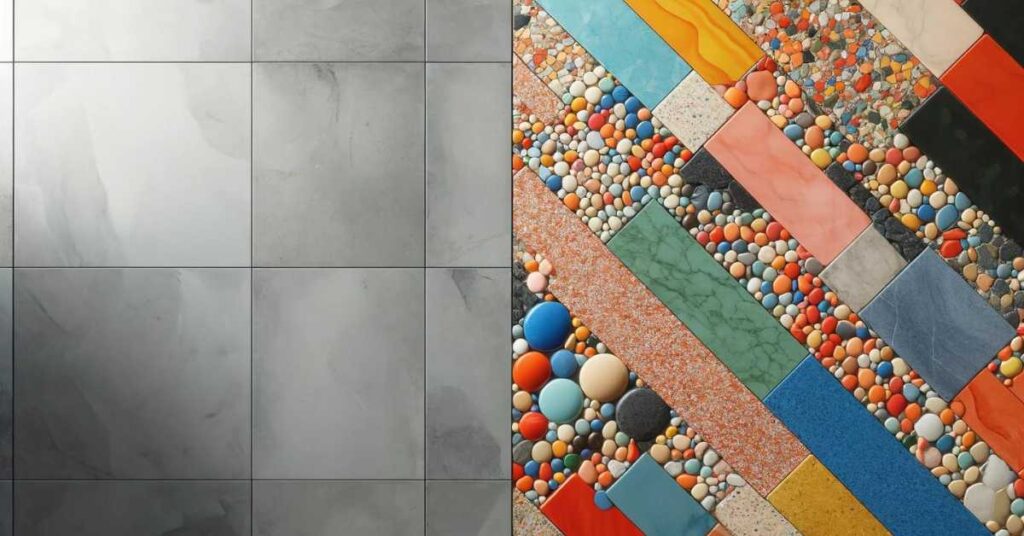
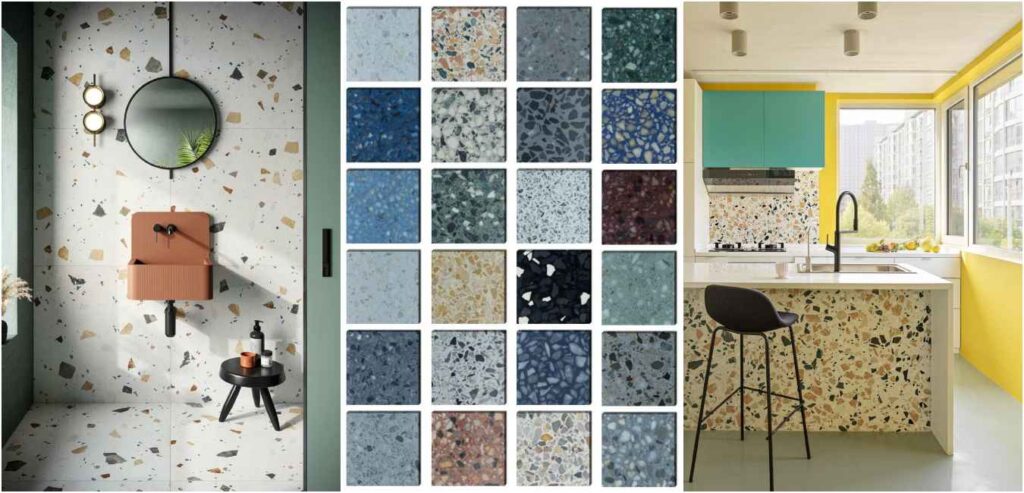
Which Is Better Terrazzo or Tiles for Kenyan Homes? Table of Contents Quick Verdict Side-by-Side Comparison Durability and Lifespan Battle of the Bathrooms (Wet Areas) Which Looks Better? Style and Timelessness Final Recommendation Terrazzo or Tiles — The Quick Verdict The quick answer? Neither is universally “better”—it depends entirely on what you want to achieve.Terrazzo is the superior choice for luxury, longevity, and investment value, whileCeramic Tiles are the best choice for budget, speed, and simple installation. In the Kenyan building market, this is a major choice between upfront cost and lifetime value.We have broken down the comparison to help you make an informed decision for your home. Side-by-Side Comparison: Why They Are Different Feature Terrazzo (Poured/Tile) Ceramic Tiles (Standard) Initial Cost (KES) High (Specialized skill makes it costly) Low (Easy to install, cheap materials) Durability Extremely High (50+ Years) Moderate (10–25 Years) Installation Slow & Complex (Requires grinding, polishing, specialized fundis) Fast & Simple (Can be done quickly with basic tiling skill) Looks/Style Seamless, customizable, unique, timeless Uniform, broken by grout lines, trend-driven High Traffic? YES (Undisputed Champion) NO (Can chip or crack under pressure) Who Is the Strongest? Durability and Lifespan Terrazzo’s Strength: Terrazzo is a mix of stone chips (marble, quartz, glass) set in a hard cement or resin base.It is essentially stone that is ground and polished. Terrazzo can last 50 to 100+ years,often outliving the building. If it becomes dull, it can simply be polished back to new. Ceramic’s Weakness: Ceramic tile is made from baked clay. While hard, it is brittle—similar to glass.It can crack easily if you drop a heavy sufuria or if the building’s foundation shifts.Once cracked, the entire tile must be replaced. ⭐ High-Value Insight:For high-traffic areas in Kenyan homes (living rooms, corridors),Terrazzo is the most durable and low-maintenance solution. Battle of the Bathrooms (Wet Areas) Terrazzo in Wet Areas: Terrazzo is often applied seamlessly—without grout lines—which reduces mold and dirt buildup.However, it is naturally porous and must be sealed to resist water damage. Ceramic Tile in Wet Areas: Ceramic tile itself is highly water-resistant. The problem is the grout,which absorbs water, stains, and may harbor mold if not well-maintained. 🔗 Deep Dive:Tile vs Terrazzo for Wet Areas (Bathroom Guide) Which Looks Better? Style and Timelessness Terrazzo (Customizable Luxury): You can customize terrazzo by choosing base colours, chip sizes, and chip colours.This creates a unique, seamless, high-end finish that never goes out of style.See more here: Why Terrazzo Never Goes Out of Style. Ceramic Tile (Variety and Trends): Ceramic tiles offer endless styles—wood-look, marble-look, matte, glossy—but trends change quickly.Grout lines also break up the visual flow, making the surface look less premium. Final Recommendation Choose Terrazzo If… Choose Ceramic Tiles If… You plan to live in the home for 20+ years. You are on a tight budget or renovating a rental. You want luxury, unique, seamless flooring. You want fast and simple installation. You need maximum durability for high-traffic areas. You want many design options (but accept grout lines). Company Universal Innovations & Industrial Limited Most Recent Posts All Post Building Design & Finishes civil engineering in Kenya Construction Insights & Tips Construction Works in Kenya Electrical Installations in Kenya Fuel Infrastructure Projects HVAC services in Kenya Industrial & Corporate Construction Industrial Fabrication & Welding Which Is Better Terrazzo or Tiles for Kenyan Homes? Fuel Tank Standards Kenya — Mild Steel vs Epoxy Finish (2026 Guide) Renovation vs New Build: Which is Cheaper for Kenyan Commercial Properties? How Much Does Industrial Pump Installation Cost in Kenya? 2026 Explore Our Services Universal Innovation & Industrial Ltd. delivers high-quality mechanical, civil, and electrical engineering solutions with a commitment to safety, innovation, and efficiency—explore our services to see how we can support your next project. Explore More Next Step: 🔗 Is Terrazzo More Expensive Than Tiles in Kenya? (Full Cost Breakdown) Ready to talk numbers? The biggest factor is the cost. Find out the definitive price comparison and which floor is actually cheaper in the long run. Contact Us FAQ about which Is Better Terrazzo or Tiles for Kenyan Homes Q1: Is Terrazzo More Expensive Than Ceramic Tiles in Kenya? A: Yes, the initial cost of installed terrazzo is generally much higher, often KES 3,600+ per sqm compared to KES 1,100–KES 3,100 per sqm for ceramic tiles. However, terrazzo’s 50+ year lifespan makes it cheaper in the long run. 🔗 Learn More: Is Terrazzo More Expensive Than Tiles in Kenya?  Q2: Which material is more durable for high-traffic areas like corridors? A: Terrazzo is the undisputed winner for durability. Its seamless, polished stone surface can withstand decades of heavy foot traffic without cracking, unlike ceramic tiles, which can chip or crack under impac Q3: Which is better for wet areas like a bathroom floor? A: Both work, but ceramic tile is naturally more water-resistant. Terrazzo needs specialized sealing to prevent moisture absorption. The biggest difference is that tiles have grout lines that collect dirt, which terrazzo does not. 🔗 Learn More: Tile vs Terrazzo for Wet Areas: What’s Better for Bathrooms in Kenya?  Q4: How long will Terrazzo and Ceramic Tiles actually last in a Kenyan home? A: Terrazzo is a lifetime floor, lasting 50 to 75 years or more (it can be repolished to look new). Ceramic tiles generally have a lifespan of 10 to 25 years before they may need replacement or major repair. Q5: Which floor option is considered more stylish and timeless? A: Terrazzo is often considered more timeless because its classic, customized speckled look is seamless and highly resistant to trends. Ceramic tile patterns can be trendy and may look dated after a few years. 🔗 Learn More: Which Flooring Never Goes Out of Style: Terrazzo or Ceramic?  A: Yes, the initial cost of installed terrazzo is generally much higher, often KES 3,600+ per sqm compared to KES 1,100–KES 3,100 per sqm for ceramic tiles. However, terrazzo’s 50+ year lifespan makes it cheaper in the long run. 🔗 Learn More: Is Terrazzo More Expensive Than Tiles in Kenya? 

Which Is Better Terrazzo or Tiles for Kenyan Homes? Read More »

Fuel Tank Standards in Kenya: Mild Steel vs Epoxy Finish

Fuel Tank Standards Kenya — Mild Steel vs Epoxy Finish (2026 Guide)

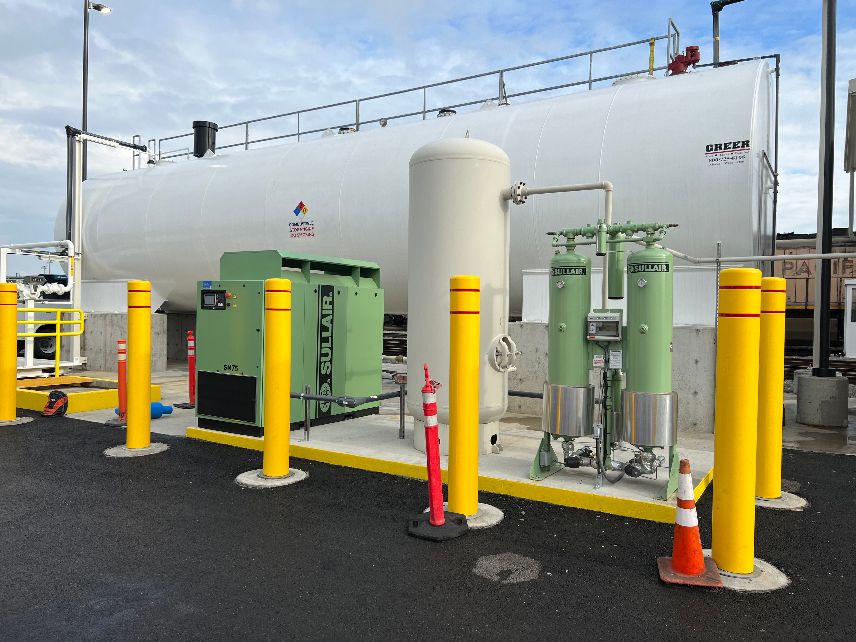
Fuel Tank Standards in Kenya: Mild Steel vs Epoxy Finish Fuel tank standards Kenya show the basic rules for building and installing commercial and industrial fuel storage tanks. Compliance is mandatory and enforced by government agencies. This guide explains the construction difference between mild steel and epoxy finish and outlines the crucial licensing requirements for safe and legal operation. Table of Contents Fuel Tank Standards in Kenya — Quick Intro Materials: Mild Steel vs Epoxy Finish (The KEBS Role) Installation Requirements Safety, Compliance, and Licensing (EPRA & NEMA) Simple Maintenance Tips Need Professional Help? Materials: Mild Steel vs Epoxy Finish (The KEBS Role) The two common options for tank construction are mild steel and epoxy finish. Under fuel tank standards in Kenya, materials must be selected to prevent leaks and resist corrosion over an extended service life. The Kenya Bureau of Standards (KEBS) ensures that materials meet national specifications. Mild Steel (Primary Construction) Mild steel is strong and common for building Above-Ground Storage Tanks (ASTs) and Underground Storage Tanks (USTs). To meet fuel tank standards in Kenya, the steel must be of a specific thickness and be correctly welded. For large commercial tanks, these construction standards often reference international codes like API Standard 650 and are enforced locally by KEBS. If not properly protected, mild steel is highly susceptible to rust and eventual leakage. Epoxy Finish (Corrosion Protection) Epoxy is a protective coating applied to the steel, usually on the interior and exterior of the tank, to enhance its longevity. It acts as a barrier to stop rust, especially from moisture and corrosive elements within the stored fuel. Using epoxy over steel is a best practice often required to meet fuel tank standards in Kenya for effective corrosion protection. Installation Requirements Installation must follow strict safety and engineering rules from fuel tank standards in Kenya to prevent accidents and contamination. Base and Foundation Tanks must sit on a solid, level concrete pad or foundation specifically engineered to support the full weight of the tank and its contents. This stops settlement, tipping, and allows for easy inspection. Distance and Placement Correct spacing is critical. Tanks must be placed a minimum distance away from buildings, property boundaries, and ignition sources (fire/sparks) as stipulated in fuel tank standards in Kenya to prevent fire spread. Piping and Valves All piping must be non-corrosive, securely connected, and pressure-tested. Safety features include emergency shut-off valves and clear marking of fuel lines for different products. Safety, Compliance, and Licensing (EPRA & NEMA) Safety is paramount. Compliance involves not only the physical tank structure but also obtaining the necessary permits from the relevant Kenyan regulatory bodies. Spill Containment (The NEMA Mandate) You must construct a bund wall or secondary containment system (often a concrete basin) around the tank. This structure must be liquid-tight and capable of holding at least 110% of the tank’s maximum capacity. This is a major requirement enforced by the National Environment Management Authority (NEMA) to prevent soil and water pollution in case of a spill. Grounding and Venting All tanks must be properly grounded (earthed) to discharge static electricity, which can cause sparks and fire. Vents must be installed to safely release air pressure and vapour build-up, adhering to fire and safety regulations. Approvals and Records (The EPRA Licence) To operate legally, you must secure a Petroleum Storage Licence from the Energy and Petroleum Regulatory Authority (EPRA). This licence requires: A Fire Clearance Certificate from the County Government. A valid Environmental Impact Assessment (EIA) Licence from NEMA. Certification from KEBS confirming the facility conforms to the applicable Kenya Standards (like KS EAS 977:2020 for installation). A valid certificate of registration as a workplace from the Directorate of Occupational Safety and Health Services (DOSHS). A detailed Emergency Response Plan. Keep all inspection and calibration records updated to demonstrate that your tank complies with fuel tank standards in Kenya. Simple Maintenance Tips Proper care keeps tanks safe and extends their lifespan, aligning with fuel tank standards in Kenya‘s goal of preventing failure. Weekly Visual Check: Inspect for external signs of rust, peeling epoxy, leaks, or ground settlement. Regular Cleaning: Clean filters and ensure valves are working smoothly and not corroded. Corrosion Management: Recoat the tank with epoxy immediately if the protective layer is compromised. Calibration & Inspection: Arrange for periodic calibration and professional inspection by certified engineers (often mandated by EPRA and DOSHS). Company Universal Innovations & Industrial Limited Most Recent Posts All Post Building Design & Finishes civil engineering in Kenya Construction Insights & Tips Construction Works in Kenya Electrical Installations in Kenya Fuel Infrastructure Projects HVAC services in Kenya Industrial & Corporate Construction Industrial Fabrication & Welding Fuel Tank Standards Kenya — Mild Steel vs Epoxy Finish (2026 Guide) Commercial Renovation Cost Kenya vs New Build 2026, Which Option Is Cheaper? Renovation vs New Build: Which is Cheaper for Kenyan Commercial Properties? How Much Does Industrial Pump Installation Cost in Kenya? 2026 Explore Our Services Universal Innovation & Industrial Ltd. delivers high-quality mechanical, civil, and electrical engineering solutions with a commitment to safety, innovation, and efficiency—explore our services to see how we can support your next project. Explore More For related construction cost info, also check: How Much Does Industrial Pump System Installation Cost in Kenya? . Need Professional Help? Ensuring full compliance with fuel tank standards in Kenya is complex. Professionals can inspect, design, and install tanks that meet the strict requirements of EPRA, NEMA, and KEBS. Universal Innovations offers inspection, design, and installation services for commercial and industrial fuel storage projects. Contact Us FAQ – Fuel Tank Standards in Kenya 1. What are the basic fuel tank standards in Kenya? Fuel tank standards in Kenya set the rules for safe construction, installation, and operation of commercial and industrial fuel storage tanks. They cover materials, spacing, grounding, and containment requirements. 2. Which material is better for fuel tanks — mild steel or epoxy finish? Both can meet fuel tank standards in Kenya. Mild steel is strong but may rust without protection. Epoxy finish

Fuel Tank Standards Kenya — Mild Steel vs Epoxy Finish (2026 Guide) Read More »

Renovation vs New Build: Which is Cheaper for Kenyan Commercial Properties?

Renovation vs New Build: Which is Cheaper for Kenyan Commercial Properties?

Renovation vs New Build: Which is Cheaper for Kenyan Commercial Properties? If you are comparing commercial renovation cost Kenya vs new build, this guide explains which option saves more money and why. Table of Contents Understanding Commercial Renovation Cost Kenya vs New Build When Renovation Is Cheaper When a New Build Is the Better Option Comparing the Real Costs So, Which Option Is Cheaper? Need Professional Help? Understanding Commercial Renovation Cost Kenya vs New Build Renovating means improving an existing commercial space, while a new build means starting from scratch.Many Kenyan property owners compare commercial renovation cost Kenya vs new build to know where the real savings are. When Renovation Is Cheaper Lower Construction Work Renovation is cheaper when the building structure is still strong. You only fix what is needed—floors, walls,roofing, plumbing, or lighting. Faster Project Timelines Renovation usually takes less time than a new build. Less time means lower labour costs and quicker reopening of the business. Less Approvals Renovations in Kenya often require fewer approvals compared to new constructions, saving time and money. When a New Build Is the Better Option Old or Weak Structures If the old building has major structural issues, renovation becomes expensive. In such cases, a new build may be cheaper long term. Custom Layout and Modern Standards New builds allow you to design the exact layout your business needs. This is helpful for warehouses, supermarkets,factories, and offices. Lower Maintenance in the Future A new building reduces repair costs later, making it a smarter investment for high-use commercial spaces. Comparing the Real Costs When looking at commercial renovation cost Kenya vs new build, here is the simple breakdown: Renovation cost (Kenya): Usually KSh 2,500 – 15,000 per m², depending on finishes. New build cost (Kenya): Usually KSh 30,000 – 60,000 per m², depending on design and materials. Renovation is cheaper upfront, but a new build is cheaper long term if the old building is too damaged or too limitedfor modern needs. So, Which Option Is Cheaper? If your building is in good condition, renovation wins. If your building is old or your business needs a fresh design,a new build is better value. To decide, check: Building condition Future maintenance Business needs Available budget This will help you compare the commercial renovation cost in Kenya vs the new build correctly. Company Universal Innovations & Industrial Limited Most Recent Posts All Post Building Design & Finishes civil engineering in Kenya Construction Insights & Tips Construction Works in Kenya Electrical Installations in Kenya Fuel Infrastructure Projects HVAC services in Kenya Industrial & Corporate Construction Industrial Fabrication & Welding Renovation vs New Build: Which is Cheaper for Kenyan Commercial Properties? How Much Does Industrial Pump Installation Cost in Kenya? 2026 Terrazzo vs Ceramic Tiles, Comparing Flooring Options in Residential & Commercial Spaces Site Works in Kenya (2025-2026): Essential Steps Before Laying Foundations Explore Our Services Universal Innovation & Industrial Ltd. delivers high-quality mechanical, civil, and electrical engineering solutions with a commitment to safety, innovation, and efficiency—explore our services to see how we can support your next project. Explore More If you’re also planning a residential project, check out our guide on how much it costs to build a standard house in Nairobi in 2025.   Need Professional Help? Universal Innovations can inspect your building and guide you on the best option, renovation or new build, based on real costs. Contact Us FAQ – Commercial Renovation Cost Kenya vs New Build 1. Is renovation cheaper than building a new commercial property in Kenya? In most cases, yes. Renovation costs are lower if the existing structure is still strong. This is why many owners compare commercial renovation cost Kenya vs new build before starting a project. 2. How much does commercial renovation cost in Kenya? Most renovations cost between KSh 2,500 – 15,000 per m², depending on materials and the amount of work needed. 3. When is a new build better than renovation? A new build is better when the old structure is weak, outdated, or cannot support your business layout. In such cases, the long-term cost is lower than renovating. 4. Does renovation take less time than a new build? Yes, renovation is usually faster. This is one of the key reasons people compare commercial renovation cost Kenya vs new build when planning business upgrades. 5. Who can help me choose between renovation and new build? A professional contractor can inspect the building and provide a clear recommendation based on cost, safety, and future maintenance. In most cases, yes. Renovation costs are lower if the existing structure is still strong. This is why many owners compare commercial renovation cost Kenya vs new build before starting a project. Most renovations cost between KSh 2,500 – 15,000 per m², depending on materials and the amount of work needed. A new build is better when the old structure is weak, outdated, or cannot support your business layout. In such cases, the long-term cost is lower than renovating. Yes, renovation is usually faster. This is one of the key reasons people compare commercial renovation cost Kenya vs new build when planning business upgrades. A professional contractor can inspect the building and provide a clear recommendation based on cost, safety, and future maintenance. Most Recent Posts

Renovation vs New Build: Which is Cheaper for Kenyan Commercial Properties? Read More »

How Much Does Industrial Pump Installation Cost in Kenya?

How Much Does Industrial Pump Installation Cost in Kenya? 2026

How Much Does Industrial Pump Installation Cost in Kenya? Industrial water pumping is vital for Kenya’s farms and factories. Many clients ask, “How much does industrial pump installation cost in Kenya?” when planning a new project. The answer depends on several factors — pump size and capacity, type, site conditions (such as borehole depth or required lift), and labor. For example, a basic submersible well pump (1–2HP) might cost KSh 45,000–90,000 for the pump itself, but adding piping, cables, and installation brings the total to around KSh 100,000–250,000. Larger or high-power systems like multistage centrifugal boosters can cost more. This guide explains key factors, common pump types, and realistic cost ranges to help you budget accurately. “Universal Innovations provides industrial pump installation in Kenya as part of our mechanical engineering services.” Table of Contents Factors Affecting Installation Cost Common Pump Types Typical Installation Cost Ranges Kenya-Wide Service and Call to Action Conclusion Factors Affecting Installation Cost Several key factors determine the industrial pump installation cost in Kenya. Pump size and capacity are major drivers — a 0.5HP pump is far cheaper than a 30HP unit. Pump type also matters (centrifugal vs. submersible vs. engine-driven). Site conditions influence costs as well: drilling deeper boreholes or installing long-distance piping raises labor and material expenses. Local price ranges illustrate this variation: small submersible pumps can cost between KSh 9,500–35,000 for low-power models, while industrial diesel pumps range from about KSh 60,000–88,000. Irrigation pumps vary from roughly KSh 20,000–150,000 depending on model and power. Once you include installation (labor, wiring, valves, control panels, etc.), overall cost usually doubles the pump price. In short, the total industrial pump installation cost in Kenya reflects a combination of equipment size, specifications, project scope, and site conditions. Common Pump Types In Kenya, the three main pump categories are centrifugal pumps, submersible pumps, and engine-driven (petrol/diesel) pumps. Understanding their differences helps estimate your project cost accurately. 1. Centrifugal Pumps These are dynamic surface pumps that move water using a rotating impeller. They handle high flow rates and are widely used in both irrigation and industrial applications. Installation involves mounting on a concrete pad and connecting to a motor and power supply. While parts are affordable, large-capacity models increase costs. Example: A mid-size diesel-powered centrifugal pump (16 HP) may cost around KSh 80,000 for the unit. Including installation — motor, base, wiring, and control systems — the total cost may reach KSh 150,000–200,000 or more. Very large systems (30 HP+) can go up to KSh 300,000+ installed. 2. Submersible Pumps Submersible pumps are electric or solar-powered and are placed inside boreholes or wells. They push water from depth and require long cables and pipes. Materials such as drop pipes, check valves, and control boxes add to the overall expense. A typical 1–2HP submersible unit costs roughly KSh 45,000–90,000, but with all accessories and labor, the total system installation runs about KSh 100,000–250,000. Submersibles are efficient, eliminate priming issues, and are ideal for deep borehole applications. 3. Petrol/Diesel Pumps Engine-driven centrifugal pumps are used for heavy-duty or remote pumping — such as irrigation or firefighting — where electricity may not be available. They are portable but require fuel management and periodic maintenance. A high-pressure diesel irrigation pump (around 30 HP) may cost approximately KSh 200,000 for the unit. Installation costs mainly include setting up the fuel tank, exhaust, and chassis. These pumps are popular among farmers and large facilities needing independent power. Each pump type carries distinct cost factors — centrifugal boosters often require motors and pressure tanks, while submersibles add cable and inverter costs. Knowing your water demand, head height, and available power helps determine which pump suits your budget. We also provide professional industrial pump and piping installations across Kenya. Typical Installation Cost Ranges So, what can customers expect to pay overall? In general, industrial pump installation in Kenya costs between KSh 100,000 and KSh 400,000 for a single-pump system. Borehole Pumps (1–2HP): KSh 150,000–250,000 (including pump, pipe, cable, and labor). Factory/Commercial Booster Systems: KSh 300,000–500,000 (multi-stage pumps and installation). Small Pump Installations: Often under KSh 150,000 total. These are long-term investments. Choosing high-quality equipment and professional installation often leads to lower maintenance and energy bills. For example, solar-powered submersible systems cost more initially but offer significant savings on electricity over time. Always balance the industrial pump installation cost in Kenya against long-term reliability and efficiency. Kenya-Wide Service and Call to Action Universal Innovations & Industrial Ltd proudly serves clients across Kenya — from Nairobi to Nakuru, Kisumu to Mombasa. No matter your location, we provide full pump system design, supply, and installation. We handle everything from site surveys and pump selection to complete mechanical and electrical installation. Our quotations are transparent, covering all costs — equipment, pipes, electricals, labor, and taxes. 📞 +254 712 905 598✉️ info@universalinnovations.co.ke🌐 www.universalinnovations.co.ke Contact us for a free consultation. We’ll explain your total industrial pump installation cost in Kenya, compare pump options (electric, diesel, or solar), and tailor the right solution for your needs. Conclusion Estimating industrial pump installation cost in Kenya requires careful consideration of project size, pump type, and site conditions. Larger pumps and deeper installations naturally raise costs, while smaller setups remain affordable. Most pump projects in Kenya fall between KSh 100,000 and KSh 400,000. By working with experienced professionals like Universal Innovations & Industrial Ltd, you get accurate quotes, quality equipment, and dependable installations that last. Contact us today to receive a detailed cost estimate and the best pump solution for your project. Company Universal Innovations & Industrial Limited Most Recent Posts All Post Building Design & Finishes civil engineering in Kenya Construction Insights & Tips Construction Works in Kenya Electrical Installations in Kenya Fuel Infrastructure Projects HVAC services in Kenya Industrial & Corporate Construction Industrial Fabrication & Welding How Much Does Industrial Pump Installation Cost in Kenya? 2026 Terrazzo vs Ceramic Tiles, Comparing Flooring Options in Residential & Commercial Spaces Site Works in Kenya (2025-2026): Essential Steps Before Laying Foundations Best Interior Paints in Kenya 2025-26 |

How Much Does Industrial Pump Installation Cost in Kenya? 2026 Read More »

Terrazzo vs Ceramic Tiles Kenya: 2025 Cost, Durability & Design Comparison

Terrazzo vs Ceramic Tiles, Comparing Flooring Options in Residential & Commercial Spaces

Terrazzo vs Ceramic Tiles: Comparing Flooring Options in Residential & Commercial Spaces When planning floors, Kenyan developers and managers often weigh terrazzo vs ceramic tiles for their properties. Both materials have unique installation methods, durability profiles, maintenance needs, and local availability. This guide provides an in-depth comparison, including 2025 pricing and long-term costs, to help property owners make informed decisions. Table of Contents Installation and Materials Durability and Maintenance Pros and Cons Design and Aesthetics Cost and Lifetime Value Local Availability and Trends Which Should You Choose? 1. Installation and Materials Ceramic Tiles Ceramic tiles are factory-made and come in standard sizes. Installation involves preparing a level subfloor, applying mortar or adhesive, laying tiles, and grouting joints. In Kenya, common ceramic tiles cost roughly KSh 900–2,100 per m², with labor, adhesive, and grout adding about KSh 1,500–3,500/m². Most local hardware stores stock a wide variety of designs. Ceramic tile installation is relatively quick and straightforward, making it a popular choice for homes and small businesses. The main advantage lies in ease of installation and lower initial cost. Terrazzo Terrazzo flooring is custom-poured using a mix of cement (or epoxy) and crushed stone chips, which is then ground smooth and sealed on-site. Installation is more involved and requires specialized contractors. It typically costs around KSh 1,600–2,000/m² (including materials and labor). While terrazzo projects take longer, they result in a seamless, durable, and premium-looking floor, appealing to commercial and high-end residential projects. 2. Durability and Maintenance of terrazzo vs ceramic tiles Terrazzo Terrazzo is renowned for its toughness — when properly installed, it can last over 40 years with minimal wear. It resists scratches, abrasions, and heavy loads far better than most tiles. Routine maintenance is simple: regular sweeping and occasional mopping with a neutral cleaner. Many Kenyan public buildings use terrazzo for its longevity and low upkeep. Ceramic Tiles Quality ceramic tiles can last 15–20 years under normal conditions. They’re water- and stain-resistant but can chip or crack under heavy impact. Grout lines may discolor over time, requiring periodic maintenance. While ceramic floors are easy to clean, terrazzo remains more durable and lower-maintenance in the long run. 3. Pros and Cons Feature Terrazzo Ceramic Tiles Durability 40+ years 15–20 years Installation Complex, needs specialists Simple, fast Initial Cost Higher Lower Maintenance Minimal Regular (grout, replacements) Design Options Custom colors and patterns Wide range of ready-made styles Comfort Hard and cold underfoot Warmer, easier to replace In Kenya’s context, tiles are budget-friendly, while terrazzo is ideal for long-term, premium builds. 4. Design and Aesthetics Both flooring types offer aesthetic versatility: Ceramic Tiles: Available in countless colours, patterns, and finishes, including wood-look and stone-look options. Ideal for mixing patterns or zoning spaces. Terrazzo: Poured in continuous slabs, allowing designers to add custom aggregates, colors, and even logos. Offers a sleek, uninterrupted surface for modern or luxury interiors. Designers in Kenya often decide between the modular creativity of tiles and the bespoke elegance of terrazzo. 5. Cost and Lifetime Value of Terrazo Vs Ceramic Tiles At first glance, ceramic tiles seem cheaper: Tiles: KSh 900–2,100/m² (materials) + 1,500–3,500/m² (installation) = KSh 2,500–4,000/m² total Terrazzo: Around KSh 1,600–2,000/m² (materials + labor) However, long-term costs favor terrazzo. Over 40 years: A ceramic floor may need two replacements → ~KSh 5,000/m² total Terrazzo can last 40+ years at only KSh 2,000/m² That’s roughly KSh 125/m²·year for ceramic vs KSh 50/m²·year for terrazzo — meaning terrazzo can cost half as much per year of life. 6. Local Availability and Trends Ceramic tiles are widely available across Kenya through major local brands and hardware stores. They’re easy to source and ideal for everyday residential or office projects. Terrazzo, by contrast, is handled mainly by specialist installers and typically used in large-scale or premium projects. In 2025, terrazzo demand is rising in Kenya’s commercial sector, but ceramic tiles continue to dominate general flooring due to convenience and accessibility. 7. Which Should You Choose? Between Terrazo Vs Ceramic Tiles The choice depends on your priorities: Ceramic Tiles: Best for quick installations, moderate budgets, and decorative flexibility. Terrazzo: Best for long-term durability, minimal maintenance, and a high-end finish. In short, ceramic tiles win for affordability and speed, while terrazzo excels in lifespan and value. When comparing terrazzo vs ceramic tiles in Kenya, the key question is simple: Do you want to pay less now, or less later? Company Universal Innovations & Industrial Limited Most Recent Posts All Post Building Design & Finishes civil engineering in Kenya Construction Insights & Tips Construction Works in Kenya Electrical Installations in Kenya Fuel Infrastructure Projects HVAC services in Kenya Industrial & Corporate Construction Industrial Fabrication & Welding Which Is Better Terrazzo or Tiles for Kenyan Homes? Fuel Tank Standards Kenya — Mild Steel vs Epoxy Finish (2026 Guide) Renovation vs New Build: Which is Cheaper for Kenyan Commercial Properties? How Much Does Industrial Pump Installation Cost in Kenya? 2026 Explore Our Services Universal Innovation & Industrial Ltd. delivers high-quality mechanical, civil, and electrical engineering solutions with a commitment to safety, innovation, and efficiency—explore our services to see how we can support your next project. Explore More Related Project: Mosque Flooring Case StudySee how terrazzo flooring transformed a modern mosque in Kenya, delivering durability, elegance, and long-term value. [Read the full case study] For a deep-dive comparison and the final verdict, read our article: Which Is Better: Terrazzo or Tiles for Kenyan Homes? Need Expert Flooring Advice? Whether you’re building a new home, renovating your office, or managing a commercial project, choosing the right floor is crucial. Talk to our experts for professional guidance on terrazzo and ceramic tile installation in Kenya. Contact Us Get a Free Flooring Quote Frequently Asked Questions (FAQ) – Terrazzo vs Ceramic Tiles in Kenya 1. What is the difference between terrazzo and ceramic tiles? Terrazzo is a poured flooring made from a mix of cement (or epoxy) and stone chips, ground and polished for a seamless look. Ceramic tiles are factory-made pieces installed with adhesive and grout. Terrazzo gives a continuous surface,

Terrazzo vs Ceramic Tiles, Comparing Flooring Options in Residential & Commercial Spaces Read More »

Excavator preparing land during site works in Kenya before foundation construction

Site Works in Kenya (2025-2026): Essential Steps Before Laying Foundations

Site Works in Kenya (2025-2026): Essential Steps Before Laying Foundations Before any building in Kenya takes shape, the most important work happens before the foundation is even poured. Site works set the stage for structural integrity, smooth construction, and long-term durability. Whether you are developing a home, a commercial property, or an industrial facility, understanding site works in Kenya helps you avoid costly mistakes later. Table of Contents What Are Site Works? Why Proper Site Works Matter in Kenya Step-by-Step: Site Works Preparation in Kenya 3.1 Site Survey and Boundary Confirmation 3.2 Soil Testing and Geotechnical Investigation 3.3 Site Clearing and Grading 3.4 Setting Out the Building Layout 3.5 Temporary Drainage and Erosion Control 3.6 Access Roads and Utility Connections Cost Guide: Site Works in Kenya (2025 Estimates) Common Mistakes During Site Works in Kenya Linking Site Works to Structural Success Conclusion What Are Site Works? In construction, site works refer to all the preparation activities done on a plot before laying the foundation. These steps transform raw land into a safe, buildable site. Typical site works in Kenya include: Clearing and grading the land Setting out the building layout Soil testing for bearing capacity Drainage and access works Temporary fencing and storage areas While many people rush to start foundation excavation, experienced contractors know that skipping proper site works preparation leads to uneven foundations, drainage issues, and future cracking problems. Why Proper Site Works Matter in Kenya Kenya’s terrain and weather conditions vary widely, from black cotton soil zones in Nairobi and Kisumu to sandy soils along the coast. Each environment reacts differently to weight, moisture, and temperature changes. By investing in proper site works in Kenya, you ensure: Foundations rest on firm, compacted ground Drainage channels prevent waterlogging during rainy seasons Soil type is matched with the right foundation design Construction complies with NCA and county building regulations Essentially, good site works make or break your project’s structural health. Step-by-Step: Site Works Preparation in Kenya Let’s walk through the key stages of preparing your site before foundation construction begins. 3.1 Site Survey and Boundary Confirmation The first step is to establish your property boundaries. Engage a licensed land surveyor to conduct a site survey and mark out the exact limits of your plot. In Kenya, this step ensures you comply with county zoning laws and prevents future disputes with neighbors. 3.2 Soil Testing and Geotechnical Investigation Soil testing is non-negotiable. It determines how much weight your soil can support and how deep your foundation should go. A typical soil test in Kenya costs between Ksh 25,000 and 45,000, depending on site size and location. Results from this test help structural engineers design safe, durable foundations suited to your specific ground conditions. 3.3 Site Clearing and Grading Once the survey and testing are complete, the next step is clearing and grading. This involves removing vegetation, debris, old foundations, or large rocks. Leveling follows, creating an even surface for future construction. Average site clearing costs in Kenya range from: Light vegetation: Ksh 40–80 per square metre Heavy clearing, including trees, debris, or slope correction: Ksh 100–200 per square metre Proper grading ensures stormwater flows away from the foundation, protecting the building from water damage. 3.4 Setting Out the Building Layout Setting out transfers the building design from paper to the ground. Surveyors mark the position of walls, columns, and foundation lines using pegs and string. Precision is key here; small errors at this stage can cause major alignment issues later. For larger or complex buildings, hire a professional surveyor or civil engineer. Many site works contractors in Kenya offer setting-out services as part of their package. 3.5 Temporary Drainage and Erosion Control Before you pour any concrete, install temporary drainage. Kenya’s unpredictable rain patterns can cause erosion and soil washouts overnight. Simple trench drains, soak pits, or diversion channels help keep your work area stable. In areas with black cotton soil, temporary drainage is especially important to prevent expansion and contraction that weaken foundations. 3.6 Access Roads and Utility Connections Create access routes for trucks, materials, and equipment. Also plan temporary or permanent connections for water and electricity. These might seem minor, but poor access can slow progress and increase transportation costs dramatically. A well-planned site works process in Kenya includes compacted access roads and proper storage for construction materials. Cost Guide: Site Works in Kenya (2025 Estimates) Type of Work Typical Cost Range (Ksh) Notes Site Survey 15,000 – 30,000 Based on plot size Soil Testing 25,000 – 45,000 Includes lab report Site Clearing 40 – 200 per m² Depends on terrain Grading & Leveling 20,000 – 80,000 Depends on slope Temporary Drainage 10,000 – 50,000 Varies by rainfall area Setting Out 15,000 – 25,000 Use licensed surveyor These are average site works costs in Kenya for 2025. Urban areas like Nairobi or Kiambu tend to be on the higher side, while rural counties may be cheaper due to lower labor costs. Common Mistakes During Site Works in Kenya Even seasoned contractors make errors when rushing through this phase. Here are the top pitfalls to avoid: Skipping soil testing, which can lead to foundation failure Poor drainage design, leading to flooding and cracking Inaccurate setting-out, which causes misaligned structures Using unlicensed surveyors or casual workers Ignoring weather timing, especially during rainy seasons By planning your site works in Kenya carefully, you reduce risks, avoid delays, and achieve smoother project execution. Linking Site Works to Structural Success Once your site is well prepared, the foundation and structural stages proceed smoothly. Strong site works preparation supports stable footing for slabs, columns, and beams, reducing maintenance and cracking issues in the long term. If you are working on a large or specialized project, our team at Universal Innovations can handle your site works in Kenya from soil testing to final setting out. We also coordinate with engineers during the Structural Works in Kenya phase to ensure compliance with NCA and county building codes. Explore our Structural Works in Kenya and Corporate

Site Works in Kenya (2025-2026): Essential Steps Before Laying Foundations Read More »

interior paints by universal innovations

Best Interior Paints in Kenya 2025-26 | Durability & Price Guide

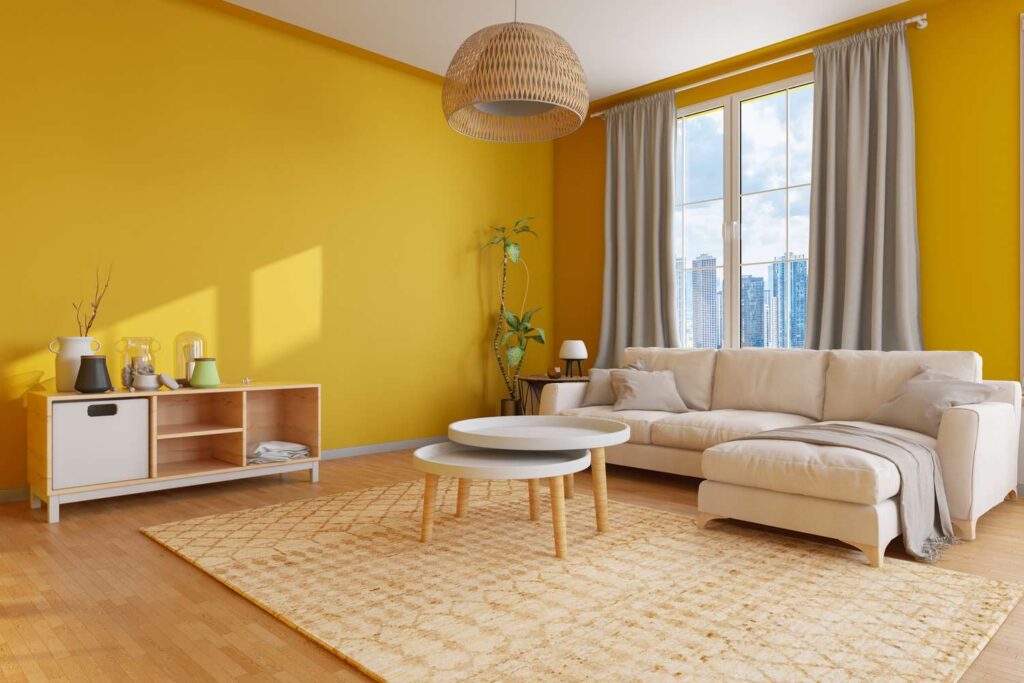
Best Interior Paints for Kenyan Homes: Durability, Sheen & Price Guide (2025 Update) The color and finish of your walls can completely transform your home — but choosing the right interior paint isn’t just about looks. It’s about finding a balance between durability, price, and sheen that suits your lifestyle and Kenya’s unique climate. Whether you’re renovating your Nairobi apartment, painting a new house in Kiambu, or upgrading your rental units, the right paint will enhance your space and save you money in the long run. In this guide, we’ll break down the best interior paints for Kenyan homes in 2025 — looking at durability, sheen, and prices — so you can make an informed choice. Table of Contents What Is Interior Paint and Why It Matters Durability: How Long Should Good Interior Paint Last? Sheen: Choosing the Right Paint Finish for Every Room Price Guide: Interior Paints in Kenya (2025 Estimates) Tips for Getting the Most from Your Interior Paint Conclusion Need Professional Painting Help? What Is Interior Paint and Why It Matters Interior paint is specially formulated for indoor use. Unlike exterior paint, which must withstand rain and UV rays, interior paint focuses on washability, smooth finish, and color retention. Most interior paints in Kenya are water-based emulsions — easy to clean, fast-drying, and low in odor. Oil-based paints are tougher but less popular indoors because of their stronger smell and longer drying times. Hides wall imperfections Resists stains and scuffs Creates the right mood through color and sheen Durability: How Long Should Good Interior Paint Last? Durability determines how long your wall will stay fresh before needing a repaint. In Kenya’s warm, sometimes humid climate, high-quality interior paint can last 5–8 years if properly applied. Factors that Affect Paint Durability Surface preparation: Clean, primed walls ensure better adhesion. Room type: Kitchens and bathrooms need moisture-resistant paint. Brand quality: Established brands have better pigment and binder quality. Most Durable Interior Paint Brands in Kenya (2025) Crown Paints Vinyl Matt / Silk Emulsion – Known for smooth finish and long-lasting color. Duracoat Silk Vinyl – Washable, stain-resistant, perfect for high-traffic rooms. Sadolin EasyCare – Excellent for humid spaces like bathrooms and kitchens. Galaxy Paints Super Matt – A reliable, affordable option for everyday use. Basco Paints Economy Emulsion – Best for budget-conscious projects and rentals. Sheen: Choosing the Right Paint Finish for Every Room The sheen of your interior paint affects how your walls reflect light and how easy they are to clean. Here’s a simple guide to help you choose: Room Recommended Sheen Why It Works Living Room Satin or Eggshell Gives a soft glow, easy to wipe clean Bedroom Matte Cozy, non-reflective finish that hides flaws Kitchen Semi-gloss Moisture and stain resistant Bathroom Semi-gloss Prevents mold and peeling Hallways Satin Durable and easy to maintain Ceiling Flat / Matt Reduces glare, looks elegant Pro tip: The shinier the paint, the easier it is to clean — but it will also highlight wall imperfections. Price Guide: Interior Paints in Kenya (2025 Estimates) Below is an updated comparison of popular interior paint options available in Kenyan hardware stores. Brand Type Price Range (4 Litres) Coverage (m²) Ideal For Crown Paints Vinyl Matt Ksh 2,800 – 3,500 30–40 Bedrooms, living rooms Duracoat Silk Vinyl Ksh 3,000 – 3,800 35–45 Living areas, offices Sadolin EasyCare Ksh 3,500 – 4,200 40–50 Kitchens, bathrooms Galaxy Paints Super Matt Ksh 2,200 – 2,800 25–35 Budget projects Basco Paints Economy Emulsion Ksh 1,800 – 2,300 20–30 Rentals, large projects 💡 Note: Prices vary slightly based on the store, color, and location (Nairobi prices are usually higher than upcountry). Tips for Getting the Most from Your Interior Paint Always use a primer before painting on new or dark-colored walls. Use quality rollers and brushes to avoid streaks. Avoid painting on humid or rainy days — it affects adhesion. Test a small patch first to see how color looks under your lighting. Clean walls regularly with a damp cloth to maintain sheen. Conclusion The best interior paint for your home depends on your space, budget, and personal style. Crown, Duracoat, and Sadolin lead in quality and durability, while Galaxy and Basco offer great value for money. If you’re planning a home makeover in 2025, investing in the right interior paint will make your walls shine — literally and figuratively. Need Professional Painting Help? At Universal Innovations Kenya, we help homeowners choose and apply the perfect interior paint for long-lasting, beautiful results. 📞 Tel: +254 712 905 598📧 Email: info@universalinnovations.co.ke🏠 Location: Nairobi, Kenya Get in touch today for a free color consultation and quotation! Company Universal Innovations & Industrial Limited Most Recent Posts All Post Building Design & Finishes civil engineering in Kenya Construction Insights & Tips Construction Works in Kenya Electrical Installations in Kenya Fuel Infrastructure Projects HVAC services in Kenya Industrial & Corporate Construction Industrial Fabrication & Welding Best Interior Paints in Kenya 2025-26 | Durability & Price Guide How Much Does It Cost to Build a Standard House in Nairobi in 2025? A Fresh, Modern Look Restored in 14 Days Top 5 3-Bedroom House Plans in Kenya (2025/2026) Explore Our Services Universal Innovation & Industrial Ltd. delivers high-quality mechanical, civil, and electrical engineering solutions with a commitment to safety, innovation, and efficiency—explore our services to see how we can support your next project. Explore More Need Professional Painting Help? At Universal Innovations Kenya, we help homeowners choose and apply the perfect interior paint for long-lasting, beautiful results. Get in touch today for a free color consultation and quotation! Contact Us FAQ: Cost to Build a Standard House in Nairobi 2025 1. What is the best interior paint for homes in Kenya? The best interior paint depends on your budget and room type. Crown Paints, Duracoat, and Sadolin EasyCare are top choices for durability and a smooth finish. For affordable options, Galaxy Paints and Basco Paints are reliable picks. 2. How much does interior paint cost in Kenya? On average, a 4-litre tin of interior paint

Best Interior Paints in Kenya 2025-26 | Durability & Price Guide Read More »

How Much Does It Cost to Build a House in nairobi

How Much Does It Cost to Build a Standard House in Nairobi in 2025?

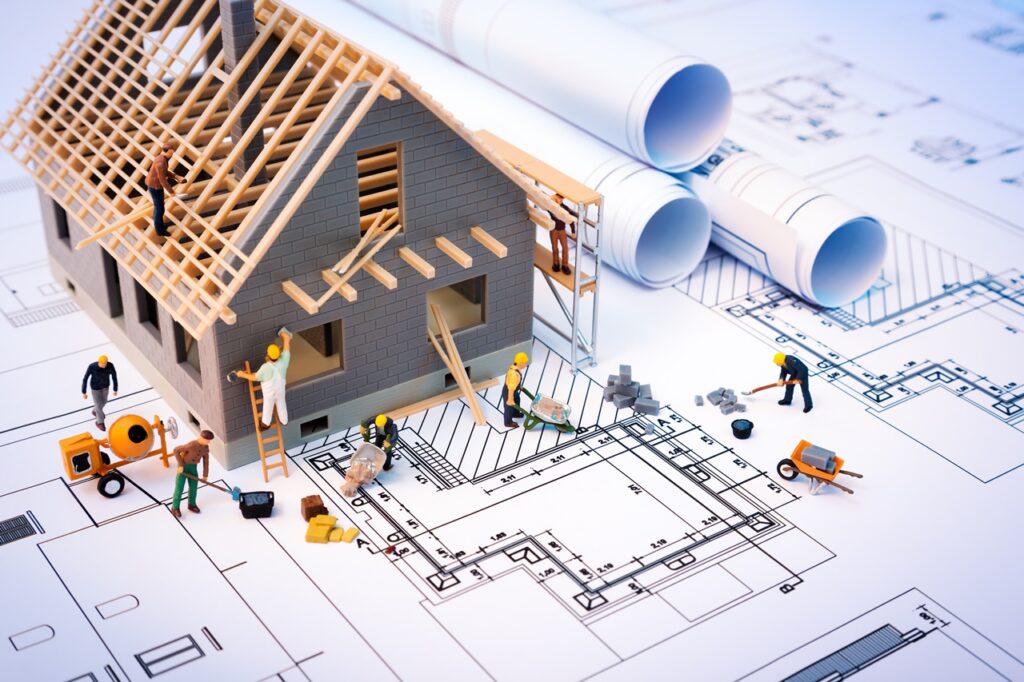
How Much Does It Cost to Build a Standard House in Nairobi in 2025? Table of Contents 1. Introduction 2. Benchmark Costs per Square Metre (2025) 3. Cost Components & Breakdown 4. Sample House Cost Estimates 5. Key Cost Drivers & Variation Factors 6. How to Estimate Your Own Cost 7. Tips to Control & Optimize Cost 8. Internal Links to Services 9. FAQ: Cost to Build a Standard House in Nairobi 2025 10. Conclusion & Next Steps 1. Introduction When planning to build your home in Nairobi in 2025, one of the first—and most critical—questions is:“What is the cost to build a standard house in Nairobi in 2025?” Your answer depends onmany variables: the size, finish, structural complexity, site conditions, and choice of materials. In this post, I will walk you through: Current benchmark rates per square metre Cost component breakdown Realistic example estimates What drives cost differences A method you can use to build a preliminary budget Key tips to manage your building cost Answers to frequently asked questions Along the way, I’ll naturally integrate references to our relevant services (Civil & Structural Works; Industrial & Corporate Construction)so you can easily explore how we can help. 2. Benchmark Costs per Square Metre (2025) To understand the cost to build a standard house in Nairobi 2025, we need reference benchmarks. According to recent sources: Integrum’s 2025 cost handbook indicates that residential building rates now start at about **KES 54,730 per m²** for a standard bungalow. In broader terms, residential construction in Kenya ranges from **KES 48,750 to KES 122,860 per m²**, depending on finish level, building type, and region. Some local builders quote lower ranges (KES 35,000 to KES 60,000 per m²) for simpler designs or lower specifications. Luxury or complex residential builds push toward the higher end of the spectrum (> KES 100,000+ per m²) in prime areas. Interpretation for our target: for a “standard house in Nairobi 2025” (i.e. not ultra-luxury, but good quality finishes, solid structure),a safe design estimate is in the ballpark of **KES 50,000 to KES 80,000 per m²** (with variations depending on site, materials, etc.). 3. Cost Components & Breakdown Understanding how your total cost accumulates helps you spot where savings or overruns may occur. Here’s a breakdown: Component Approximate Share Key Notes & Variables Site preparation & land works 5–10 % Clearing, levelling, excavation; steep or rocky sites cost more Foundation & substructure 10–20 % Depends on soil, depth, reinforcement, and design Superstructure/walls 15–25 % Blockwork, columns, beams — choice of block, reinforcement matter Roof structure & covering 8–15 % Roof span, trusses, tiles or sheets, waterproofing Finishes (interior / exterior) 20–30 % Flooring, plaster, tiling, paint, doors & windows MEP (mechanical, electrical, plumbing) 8–15 % Wiring, piping, fixtures, HVAC (if any) External works & landscaping 3–8 % Fencing, driveways, drainage, landscaping Professional fees & approvals 5–10 % Architect, structural engineer, QS, permits, inspections Contingency 5–10 % (or more) Captures unexpected issues, price escalation, and design changes When all is combined, these components sum up to the cost to build a standard house in Nairobi 2025 for your given design. 4. Sample House Cost Estimates Let’s apply the above to real-life scenarios. These numbers are illustrative and meant to give you ballpark guidance. Example A: Standard 3-Bedroom Bungalow (~100–120 m²) Using a reference rate of KES 54,730/m²:• 100 m² → KES 5,473,000• 120 m² → KES 6,567,600 If you push finishes or structural complexity, rates might go toward KES 70,000–80,000/m² Many local estimations for 3-bedroom houses also fall in the range KES 4,000,000 to KES 9,000,000 Example B: Two-Storey / Maisonette (~150 m²) If the rate is KES 70,000/m² (for more premium finishes) → KES 10,500,000 If done at a more modest KES 55,000/m² → KES 8,250,000 Example C: Simple / Minimal Finishes If you use cost-saving materials and a simplified design, rates of KES 40,000–50,000/m² are possible For 120 m² → range of KES 4,800,000 – 6,000,000 These provide a spectrum to help you approximate based on your desired standard. 5. Key Cost Drivers & Variation Factors Why do two 100 m² houses end up costing so differently? These are the levers: Quality of finishes & fixtures — Basic vs premium materials, imported vs local Structural complexity / architectural design — Curves, large spans, overhangs, cutouts Site and soil conditions — Steep slope, rocky soil, poor access Labor & contractor rates — Skilled artisans, market demand, scarcity Material price volatility — Cement, steel, timber, roofing fluctuations Regulatory & professional fees — Permits, inspections, approvals Scope of external works — Fencing, driveways, drainage, landscaping Contingencies & change orders — Design changes, unforeseen site issues All these together influence the final cost to build a standard house in Nairobi in 2025. 6. How to Estimate Your Own Cost Here’s a step-by-step simplified method you can use: Decide your desired finish level (basic, mid, premium). Estimate your plinth area (m²). Choose a reference rate (KES/m²) based on finish level and location. Multiply area × rate = base building cost. Add allowances for site works, external works, approvals, and contingency (say +10-15 %). Add professional fees (architect, structural, QS). Ask local contractors for itemized quotes and validate vs your estimate. Use a quantity surveyor early to cross-check and control costs. Worked example: Suppose you want a 3-bedroom bungalow, 110 m², mid finishes.You pick rate = KES 60,000/m²Base cost = 110 × 60,000 = KES 6,600,000Add 12 % for external works, approvals & contingency → +792,000Add 8 % for professional fees → +528,000Estimated total = ~ KES 7,920,000 This gives you a rough budget before you seek actual quotations. 7. Tips to Control & Optimize Cost Use value engineering: decide early which elements are essential vs optional Standardize dimensions to reduce wastage Bulk-order materials to reduce transport overhead Phase noncritical works (e.g. landscaping) to later Fix choices (tiles, windows, fixtures) early — avoid mid-project changes Monitor construction progress and costs closely to avoid rework Vet contractor quotes carefully — ask for a detailed breakdown Use

How Much Does It Cost to Build a Standard House in Nairobi in 2025? Read More »

painting works by universal innovations kenya

A Fresh, Modern Look Restored in 14 Days

Repainting Hass Petroleum Station Kasarani, A Fresh, Modern Look Restored in 14 Days When the Hass Petroleum Station in Kasarani needed a new look after years of exposure to harsh weather, Universal Innovations & Industrial Limited stepped in to deliver a complete repainting transformation. The once-faded walls, canopy, and roof had lost their vibrant appearance. Within just 14 days, our team repainted the entire station, restoring its brand colors and giving it a clean, fresh, and professional look that reflects the quality associated with Hass Petroleum. Project Overview Client: Hass Petroleum Kenya Location: Kasarani, Nairobi Scope of Work: Complete repainting of the station canopy, forecourt, roofs, and walls Duration: 14 Days Service Category: Painting and Refurbishment Works in Kenya The Challenge Over time, the station’s old paintwork had deteriorated due to exposure to sunlight, fuel fumes, and rain. This not only affected its appearance but also the customer perception of the brand. Hass Petroleum needed a reliable contractor in Kenya to repaint the entire station without interrupting daily operations. That’s where Universal Innovations came in, combining efficiency, experience, and brand consistency. Our Approach: Step-by-Step Repainting Process Site Assessment & PreparationOur team began by inspecting all surfaces, including the forecourt canopy, roof panels, and external walls, to identify areas needing surface treatment. Loose paint was removed, and surfaces were cleaned to ensure proper adhesion. Surface Repair & PrimingMinor cracks and worn-out sections were repaired. We then applied a primer to protect against moisture and enhance paint durability, especially on metal and concrete surfaces. Professional Painting ApplicationUsing high-quality, weather-resistant paints, our technicians applied multiple coats to achieve an even, durable finish. Each layer was carefully timed for drying to prevent streaking or uneven tones. Brand Colour RestorationConsistency with Hass Petroleum’s official color scheme was a top priority. Our team matched every shade precisely to maintain the station’s brand identity and visual appeal. Final Touches & Quality InspectionAfter the main painting works were completed, detailed finishing was done on trims, borders, and signage areas. A final inspection ensured every section met our quality standards before handover. The Result After two weeks of focused work, the Hass Petroleum Station Kasarani was transformed into a bright, modern, and inviting space. The new paint not only revitalized the forecourt and canopy but also protected the structure against future wear and tear. The station now stands out once again as a clean, professional service point, aligned with the high standards of the Hass Petroleum brand.   Company Universal Innovations & Industrial Limited Most Recent Posts All Post Building Design & Finishes civil engineering in Kenya Construction Insights & Tips Construction Works in Kenya Electrical Installations in Kenya Fuel Infrastructure Projects HVAC services in Kenya Industrial & Corporate Construction Industrial Fabrication & Welding A Fresh, Modern Look Restored in 14 Days Top 5 3-Bedroom House Plans in Kenya (2025/2026) Cost to Build a 3-Bedroom House Tank Calibration in Kenya | Rubis Flamingo Paradise Case Study Explore Our Services Universal Innovation & Industrial Ltd. delivers high-quality mechanical, civil, and electrical engineering solutions with a commitment to safety, innovation, and efficiency—explore our services to see how we can support your next project. Explore More Plan Your Project with Us Contact Us Today to discuss your preferred 3-bedroom house plan and start building your dream home in 2025. Contact Us Why Choose Universal Innovations for Painting Works in Kenya At Universal Innovations & Industrial Limited, we understand that repainting is more than just applying colour — it’s about protecting assets, maintaining brand image, and creating lasting impressions. Whether it’s a fuel station repainting, commercial property upgrade, or industrial refurbishment, our team ensures timely delivery, quality materials, and professional finishes that last.   Final Thoughts The Hass Petroleum Kasarani repainting project is a perfect example of how attention to detail and proper planning can rejuvenate an entire facility. Our goal is always to help businesses maintain the best possible look while minimizing downtime. If you’re looking for painting and refurbishment contractors in Kenya, Universal Innovations & Industrial Limited is your trusted partner for professional results that last. Most Recent Posts

A Fresh, Modern Look Restored in 14 Days Read More »

3-bedroom house design in kenya by universal innovations

Top 5 3-Bedroom House Plans in Kenya (2025/2026)

Why 3-Bedroom House Plans Remain Kenya’s Favorite in 2025 For many Kenyan families, the dream of homeownership begins with a 3-bedroom house plan — spacious enough for comfort yet affordable enough to fit most budgets. As of 2025, these plans continue to dominate the housing market thanks to their balance between practicality, beauty, and value for money. At Universal Innovations & Industrial Ltd, we’ve helped clients across Kenya build everything from modern maisonettes in Nairobi to cozy rural bungalows in Nyeri and Nakuru. Whether you want a flat-roof urban home or a countryside retreat, our team can help you turn your vision into reality. Below are the top 5 3-bedroom house plans in Kenya for 2025, including layout details, estimated costs, and visual inspiration links for each design. 1. Modern Flat Roof 3-Bedroom Bungalow (Urban Style) Modern Flat Roof 3-Bedroom Bungalow (Urban Style) This modern flat-roof bungalow is ideal for homeowners seeking a sleek, low-maintenance design that fits well in suburbs like Nairobi, Kitengela, or Kisumu. Layout Highlights: 3 Bedrooms (1 ensuite) Open-plan kitchen and dining area Laundry room and rooftop water tank area Approx. Floor Area: 180 m²Estimated Cost (2025): KES 4.5M – 5.2M Why It’s Popular: Roof supports solar panels or a rooftop garden Stylish contemporary architecture Easy to maintain and energy efficient Best For: Urban homeowners who love a clean, modern aesthetic. 2. Affordable Rural 3-Bedroom Bungalow (Classic Gable Roof) 2. Affordable Rural 3-Bedroom Bungalow (Classic Gable Roof) If you’re building upcountry or on a peri-urban plot, this gable-roof bungalow is among the most affordable and practical 3-bedroom house plans in Kenya. Layout Highlights: Spacious sitting room 3 Bedrooms (1 ensuite) Kitchen, shared bathroom, and veranda Approx. Floor Area: 140 m²Estimated Cost (2025): KES 3.2M – 3.8M Why It’s Loved: Uses locally available materials Simple and cost-effective construction Easy to customise for different terrains 2025 Design Tip: Incorporate solar water heaters and rainwater harvesting systems to reduce utility bills. 3. Contemporary 3-Bedroom Maisonette (Compact City Design) 3. Contemporary 3-Bedroom Maisonette (Compact City Design) For smaller plots in growing towns like Ruiru, Syokimau, or Thika, this compact 3-bedroom maisonette makes the most of vertical space. Layout: Ground Floor: Living, dining, kitchen, guest bedroom Upper Floor: Two ensuite bedrooms with balconies Plot Requirement: 40×80 ftEstimated Cost (2025): KES 6M – 6.5M Key Benefits: Maximizes space for smaller urban plots Stylish design with glass balconies and gypsum ceilings Ideal for modern family living Perfect For: City homeowners looking for modernity and functionality in limited space. 4. Swahili-Inspired 3-Bedroom House Plan (Coastal Design) 4. Swahili-Inspired 3-Bedroom House Plan (Coastal Design) This Swahili-inspired 3-bedroom house plan blends traditional coastal architecture with modern comfort — ideal for Mombasa, Diani, or Malindi. Layout Highlights: Central courtyard and verandas 3 Bedrooms (2 ensuite) Open-air corridor for cooling airflow Estimated Cost (2025): KES 4.8M – 5.5M Unique Features: Coral-stone wall finishes Decorative archways and wide verandas Naturally ventilated, ideal for coastal climates Why It’s Trending: Swahili architecture offers timeless beauty and natural cooling, reducing electricity usage.   5. Countryside 3-Bedroom Bungalow with DSQ (Family Comfort Plan) 5. Countryside 3-Bedroom Bungalow with DSQ (Family Comfort Plan) This spacious countryside design offers both comfort and flexibility — perfect for families who want a 3-bedroom house plan with a DSQ. Layout Highlights: 3 ensuite bedrooms Spacious living and dining area Open kitchen with breakfast counter Detached DSQ (Domestic Servant Quarter) Approx. Floor Area: 210 m²Estimated Cost (2025): KES 5.8M – 6.2M Why It’s Popular: Includes an optional outdoor gazebo or entertainment area Great for half-acre plots or family homesteads Blends modern living with countryside charm Modern Flat Roof 3-Bedroom Bungalow (Urban Style) This modern flat-roof bungalow is ideal for homeowners seeking a sleek, low-maintenance design that fits well in suburbs like Nairobi, Kitengela, or Kisumu. Layout Highlights: 3 Bedrooms (1 ensuite) Open-plan kitchen and dining area Laundry room and rooftop water tank area Approx. Floor Area: 180 m²Estimated Cost (2025): KES 4.5M – 5.2M Why It’s Popular: Roof supports solar panels or a rooftop garden Stylish contemporary architecture Easy to maintain and energy efficient Best For: Urban homeowners who love a clean, modern aesthetic. 2. Affordable Rural 3-Bedroom Bungalow (Classic Gable Roof) If you’re building upcountry or on a peri-urban plot, this gable-roof bungalow is among the most affordable and practical 3-bedroom house plans in Kenya. Layout Highlights: Spacious sitting room 3 Bedrooms (1 ensuite) Kitchen, shared bathroom, and veranda Approx. Floor Area: 140 m²Estimated Cost (2025): KES 3.2M – 3.8M Why It’s Loved: Uses locally available materials Simple and cost-effective construction Easy to customise for different terrains 2025 Design Tip: Incorporate solar water heaters and rainwater harvesting systems to reduce utility bills. 3. Contemporary 3-Bedroom Maisonette (Compact City Design) For smaller plots in growing towns like Ruiru, Syokimau, or Thika, this compact 3-bedroom maisonette makes the most of vertical space. Layout: Ground Floor: Living, dining, kitchen, guest bedroom Upper Floor: Two ensuite bedrooms with balconies Plot Requirement: 40×80 ftEstimated Cost (2025): KES 6M – 6.5M Key Benefits: Maximizes space for smaller urban plots Stylish design with glass balconies and gypsum ceilings Ideal for modern family living Perfect For: City homeowners looking for modernity and functionality in limited space. 4. Swahili-Inspired 3-Bedroom House Plan (Coastal Design) This Swahili-inspired 3-bedroom house plan blends traditional coastal architecture with modern comfort — ideal for Mombasa, Diani, or Malindi. Layout Highlights: Central courtyard and verandas 3 Bedrooms (2 ensuite) Open-air corridor for cooling airflow Estimated Cost (2025): KES 4.8M – 5.5M Unique Features: Coral-stone wall finishes Decorative archways and wide verandas Naturally ventilated, ideal for coastal climates Why It’s Trending: Swahili architecture offers timeless beauty and natural cooling, reducing electricity usage.   5. Countryside 3-Bedroom Bungalow with DSQ (Family Comfort Plan) This spacious countryside design offers both comfort and flexibility — perfect for families who want a 3-bedroom house plan with a DSQ. Layout Highlights: 3 ensuite bedrooms Spacious living and dining area Open kitchen with breakfast counter Detached DSQ (Domestic Servant Quarter) Approx. Floor Area: 210 m²Estimated Cost (2025): KES 5.8M

Top 5 3-Bedroom House Plans in Kenya (2025/2026) Read More »

Scroll to Top