

Forecourt Works in Kenya: What Separates a Well-Designed Fuel Station From an Expensive Mistake
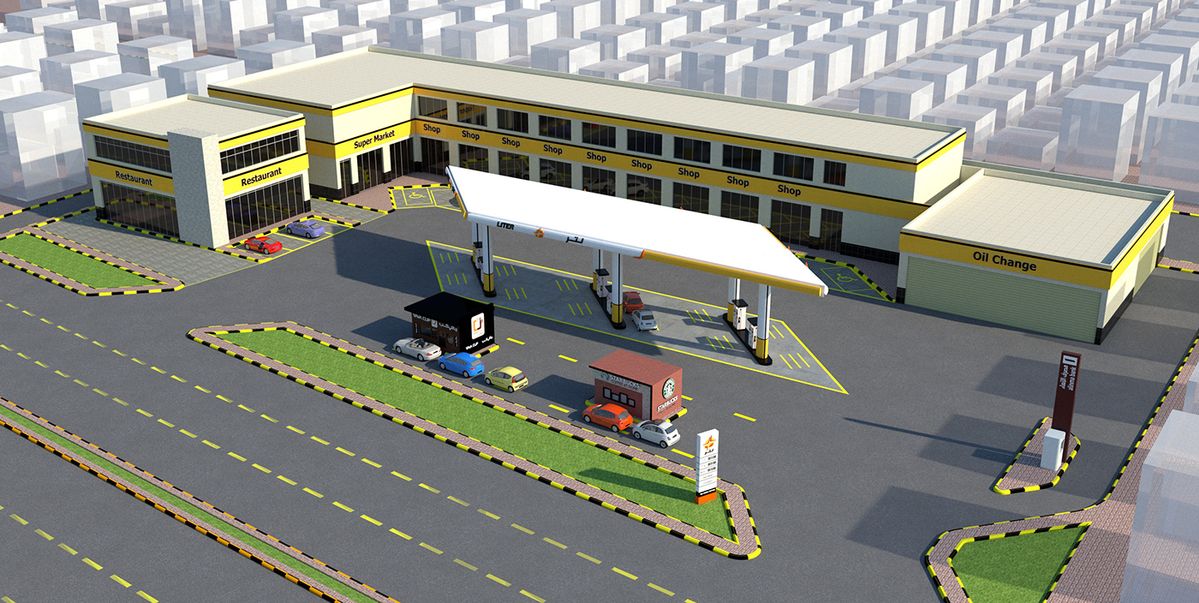
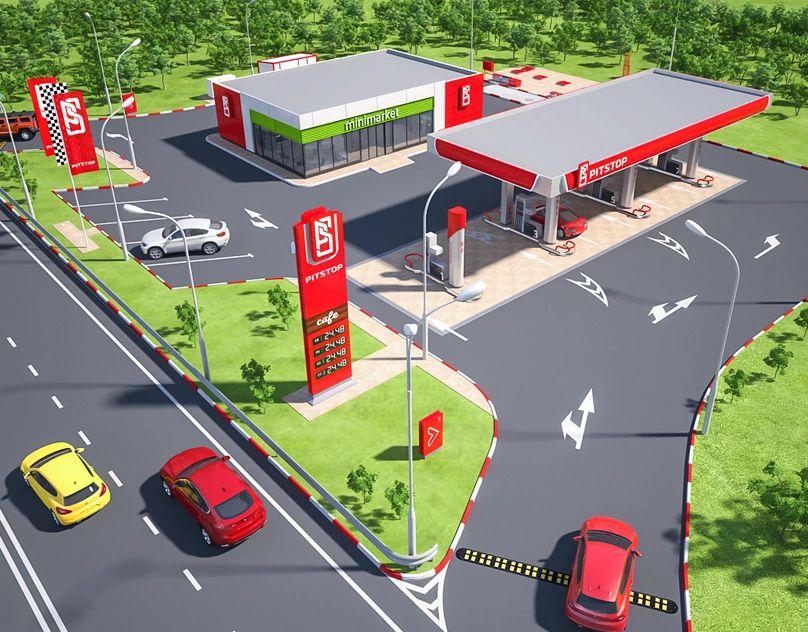
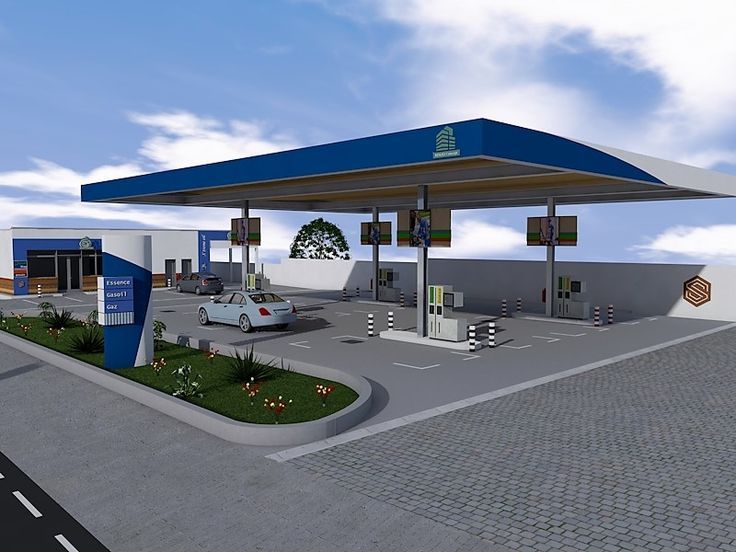
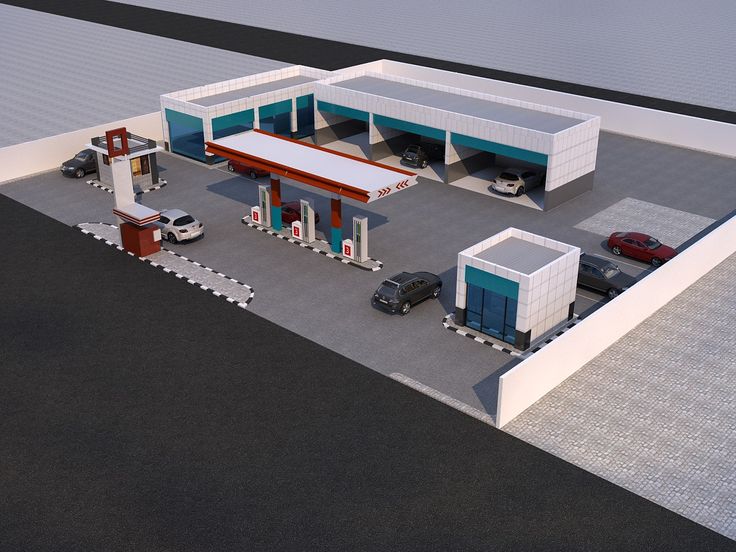
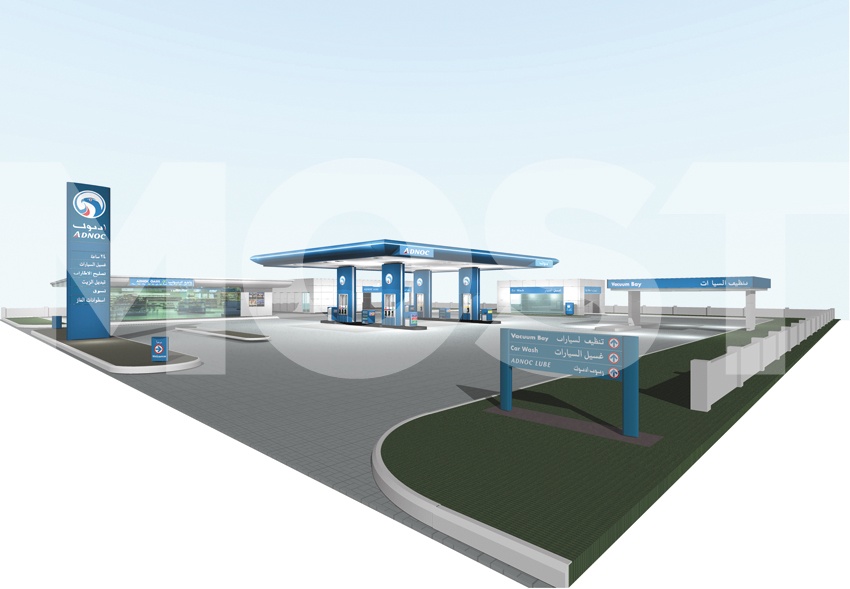
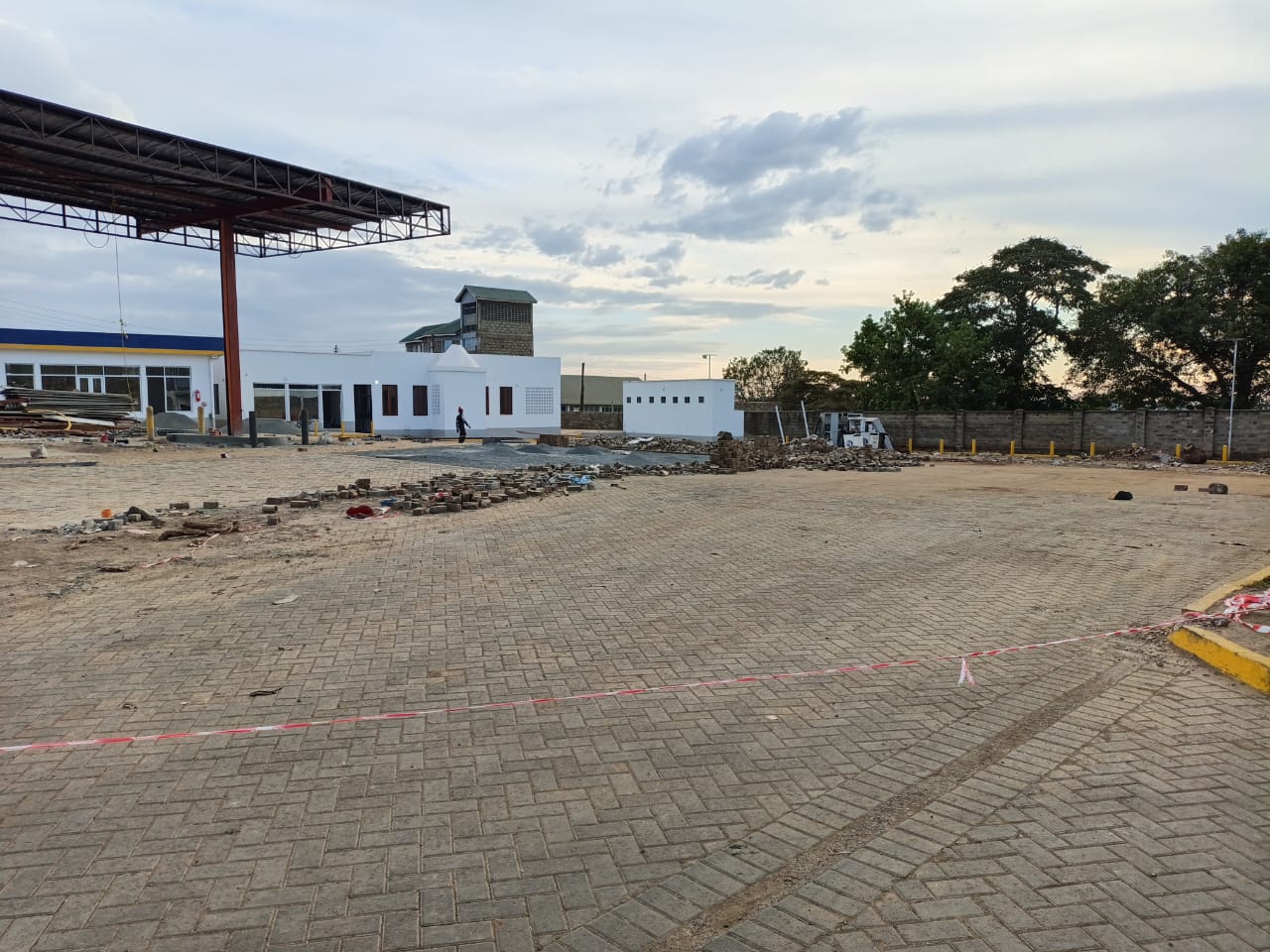
A fuel station can have premium branding, modern dispensers, and a prime location, yet still struggle operationally because of poor forecourt design. Across Kenya, many fuel stations experience preventable issues such as vehicle congestion, standing water, cracked concrete, poor tanker circulation, and unsafe pump layouts. These problems are rarely caused by the dispensers themselves. They usually begin during the planning and construction phase. Modern forecourt works are no longer just about creating space for pumps. They are about building durable infrastructure capable of handling heavy traffic, fuel operations, harsh weather conditions, and long-term commercial use.
Why Forecourt Design Matters
Most developers focus heavily on the visible parts of a fuel station such as the canopy, branding, retail area, and dispenser selection. However, the long-term performance of a station is usually determined by the infrastructure underneath and around those systems.
Vehicle movement, drainage engineering, concrete quality, underground fuel routing, safety clearances, and traffic circulation all directly affect how efficiently a station operates.
One of the most common mistakes in Kenyan fuel station projects is underestimating operational traffic flow. A station may look spacious during construction, only for operators to later discover that buses, SUVs, and fuel tankers cannot maneuver efficiently during peak hours.
Poor circulation creates congestion, delays, unsafe reversing, and reduced vehicle throughput. Over time, these issues affect customer experience and operational profitability.
The Challenge of Kenyan Conditions
Forecourt works in Kenya face very different environmental and operational conditions depending on the project location.
Nairobi & Dense Commercial Areas
Urban stations often operate within limited land sizes, forcing developers to balance traffic efficiency, safety spacing, and future expansion within compact layouts.
Transit & Truck Stop Stations
Highway forecourts experience aggressive pavement wear, heavy axle loads, and larger turning requirements from trailers, buses, and fuel tankers.
Mombasa & Coastal Regions
Coastal environments expose steel structures and forecourt systems to higher corrosion risk because of moisture and salt exposure.
Because of these variations, effective forecourt works cannot rely on copied layouts from previous projects. Each station requires planning based on expected traffic, drainage behavior, soil conditions, operational demand, and long-term expansion goals.
Pump Island Layout & Traffic Flow
Pump islands are not simply cosmetic structures. They directly affect vehicle movement, fueling efficiency, and operational safety.
Poor spacing between dispensers slows fueling operations and creates bottlenecks during busy hours. Larger vehicles may struggle to align properly with pumps, forcing awkward reversing movements near active fueling areas.
Congestion Problems: Inadequate turning space often causes traffic queues near entry and exit points.
Safety Risks: Poor pump spacing increases the risk of vehicle impact near dispensers and pedestrian zones.
Reduced Throughput: Busy stations lose operational efficiency when fueling lanes are poorly organized.
A properly designed pump island layout should allow smooth vehicle entry, efficient fueling, safe circulation, and quick exit without obstruction.
Why Drainage Is Critical
Drainage is one of the most overlooked aspects of fuel station construction in Kenya. Yet it is also one of the most expensive problems to correct later.
During rainy seasons, poorly sloped forecourts quickly develop standing water around dispensers and circulation lanes. Over time, this weakens concrete joints, damages surface finishes, and creates dangerous slip conditions.
Fuel station drainage is not simply about removing rainwater. It is also about managing fuel residue, oil contamination, and potentially hazardous runoff before discharge into surrounding systems.
Proper forecourt drainage systems typically include oil-water separators, trench drains, controlled slopes, and runoff management systems integrated into the overall site design.
Concrete Quality & Structural Durability
Fuel station forecourts experience continuous stress from heavy vehicles, braking pressure, fuel exposure, and concentrated wheel loads.
One mistake many developers make is using concrete specifications suited for lighter commercial applications. The result is often visible within a few years through cracking, settlement, surface wear, and expensive repair work.
- Use reinforced concrete designed for heavy vehicle loading
- Ensure proper joint spacing and expansion detailing
- Coordinate underground services before slab casting
- Allow proper curing time before operational loading
- Use durable finishes suitable for fuel exposure
In fuel infrastructure projects, durability matters far more than short-term savings during construction.
Safety & Fuel Infrastructure Compliance
Fuel stations operate within hazardous environments. Safety systems must be integrated into the design from the very beginning.
Impact Protection
Steel bollards and protective barriers help prevent vehicle collisions with dispensers and structural supports.
Hazardous Area Systems
Fuel environments require explosion-resistant fittings, proper grounding systems, and carefully coordinated electrical installations.
Response Infrastructure
Emergency shutoff systems, fire equipment, anti-slip surfaces, and proper lighting all improve operational safety.
Safety is not something added after construction. It must be engineered into the project from the planning stage.
The Hidden Cost of Poor Planning
Many forecourt weaknesses are not immediately visible after project completion. A station may appear functional initially, only for operational problems to emerge months later.
Recurring Repairs: Poor drainage and weak pavement design often lead to repetitive maintenance costs.
Operational Interruptions: Corrective works frequently require partial shutdown of active fueling areas.
Expansion Limitations: Poor utility coordination can make future upgrades expensive and disruptive.
What initially appears to be a cheaper construction approach often becomes significantly more expensive over the lifespan of the station.
Designing for the Future
Modern fuel stations are evolving into larger commercial infrastructure hubs that integrate retail, fleet fueling, digital systems, EV charging, and customer service facilities.
This means forecourt layouts must now accommodate future operational changes rather than only current requirements.
Forward-thinking developers are increasingly prioritizing scalable layouts, adaptable traffic circulation, stronger utility coordination, and future dispenser expansion capability during the initial construction phase.
Choosing the Right Forecourt Contractor
Fuel infrastructure projects combine structural works, drainage engineering, electrical systems, industrial fabrication, and safety compliance into a single operational environment.
Contractors without direct fuel infrastructure experience may still complete the project, but operational weaknesses often appear later through poor circulation, inadequate drainage, or structural durability problems.
- Review previous fuel infrastructure projects
- Verify technical and engineering capacity
- Assess safety procedures and compliance knowledge
- Evaluate long-term construction quality standards
- Choose contractors experienced in industrial environments
At Universal Innovations & Industrial Limited, we deliver professional fuel forecourt works, structural concrete works, drainage systems, electrical installations, industrial fabrication, and fuel infrastructure solutions across Kenya.
Planning a Fuel Station or Forecourt Project in Kenya?
Whether you are developing a new petrol station, upgrading an existing forecourt, or planning fuel infrastructure for an industrial facility, proper engineering and planning make the difference between a durable long-term asset and an expensive operational problem.
Company
Universal Innovations & Industrial Limited
Most Recent Posts
- All Post
- Building Design & Finishes
- civil engineering in Kenya
- Construction Insights & Tips
- Construction Works in Kenya
- Electrical Installations in Kenya
- Fuel Infrastructure Projects
- HVAC services in Kenya
- Industrial & Corporate Construction
- Industrial Fabrication & Welding


Explore Our Services
Universal Innovation & Industrial Ltd. delivers high-quality mechanical, civil, and electrical engineering solutions with a commitment to safety, innovation, and efficiency—explore our services to see how we can support your next project.
Company
Universal Innovations & Industrial Limited
Most Recent Posts
- All Post
- Building Design & Finishes
- civil engineering in Kenya
- Construction Insights & Tips
- Construction Works in Kenya
- Electrical Installations in Kenya
- Fuel Infrastructure Projects
- HVAC services in Kenya
- Industrial & Corporate Construction
- Industrial Fabrication & Welding
Explore Our Services
Universal Innovation & Industrial Ltd. delivers high-quality mechanical, civil, and electrical engineering solutions with a commitment to safety, innovation, and efficiency—explore our services to see how we can support your next project.