

Fuel Tank Standards in Kenya: Mild Steel vs Epoxy Finish
Fuel tank standards Kenya show the basic rules for building and installing commercial and industrial fuel storage tanks. Compliance is mandatory and enforced by government agencies. This guide explains the construction difference between mild steel and epoxy finish and outlines the crucial licensing requirements for safe and legal operation.
Materials: Mild Steel vs Epoxy Finish (The KEBS Role)
The two common options for tank construction are mild steel and epoxy finish. Under fuel tank standards in Kenya, materials must be selected to prevent leaks and resist corrosion over an extended service life. The Kenya Bureau of Standards (KEBS) ensures that materials meet national specifications.
Mild Steel (Primary Construction)
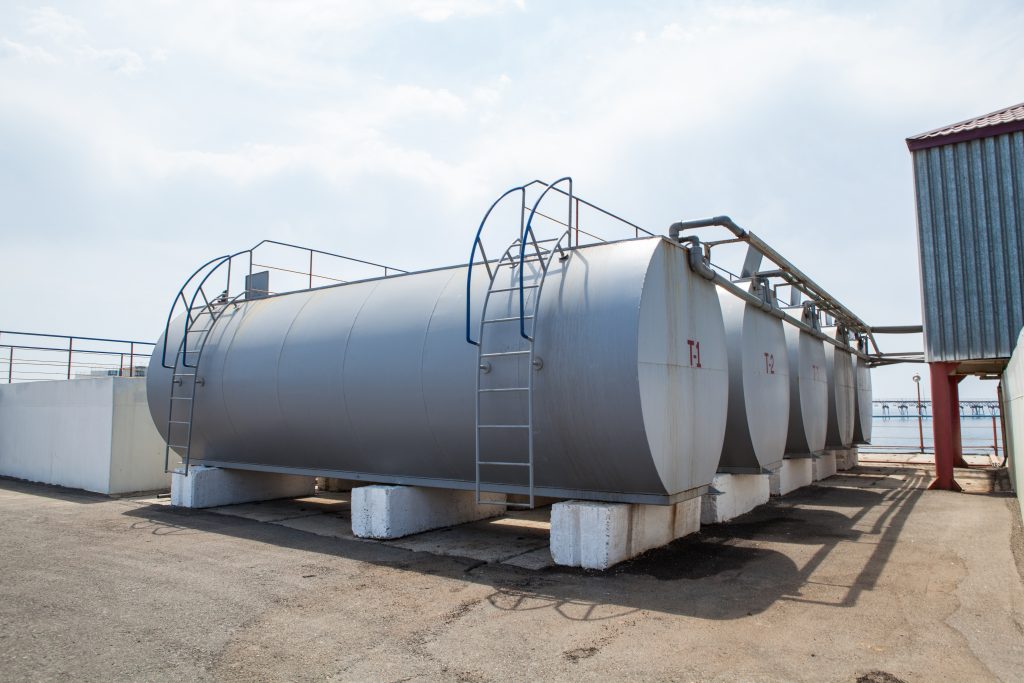
Mild steel is strong and common for building Above-Ground Storage Tanks (ASTs) and Underground Storage Tanks (USTs). To meet fuel tank standards in Kenya, the steel must be of a specific thickness and be correctly welded. For large commercial tanks, these construction standards often reference international codes like API Standard 650 and are enforced locally by KEBS. If not properly protected, mild steel is highly susceptible to rust and eventual leakage.
Epoxy Finish (Corrosion Protection)
Epoxy is a protective coating applied to the steel, usually on the interior and exterior of the tank, to enhance its longevity. It acts as a barrier to stop rust, especially from moisture and corrosive elements within the stored fuel. Using epoxy over steel is a best practice often required to meet fuel tank standards in Kenya for effective corrosion protection.
Installation Requirements
Installation must follow strict safety and engineering rules from fuel tank standards in Kenya to prevent accidents and contamination.
Base and Foundation
Tanks must sit on a solid, level concrete pad or foundation specifically engineered to support the full weight of the tank and its contents. This stops settlement, tipping, and allows for easy inspection.
Distance and Placement
Correct spacing is critical. Tanks must be placed a minimum distance away from buildings, property boundaries, and ignition sources (fire/sparks) as stipulated in fuel tank standards in Kenya to prevent fire spread.
Piping and Valves
All piping must be non-corrosive, securely connected, and pressure-tested. Safety features include emergency shut-off valves and clear marking of fuel lines for different products.
Safety, Compliance, and Licensing (EPRA & NEMA)
Safety is paramount. Compliance involves not only the physical tank structure but also obtaining the necessary permits from the relevant Kenyan regulatory bodies.
Spill Containment (The NEMA Mandate)
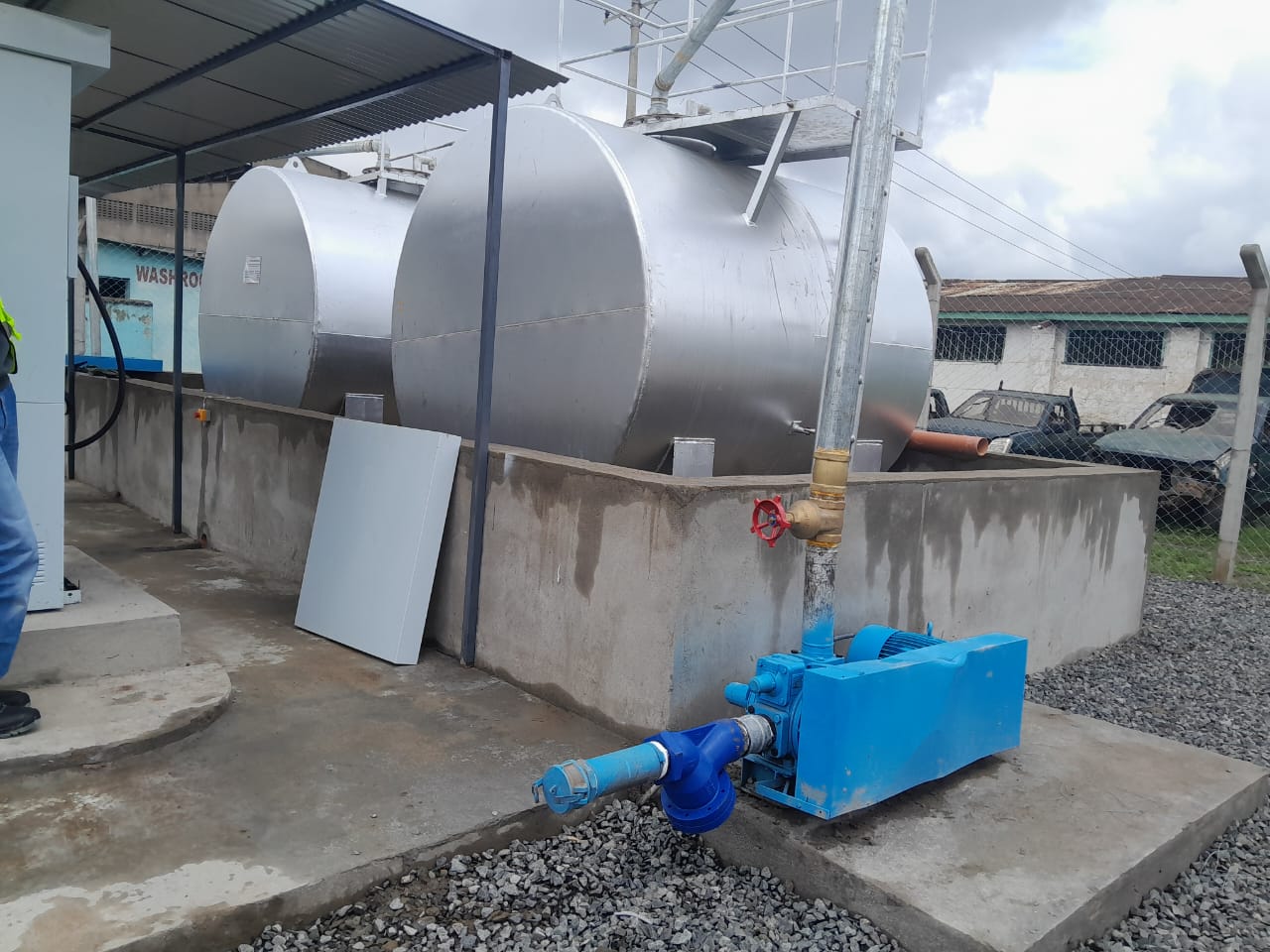
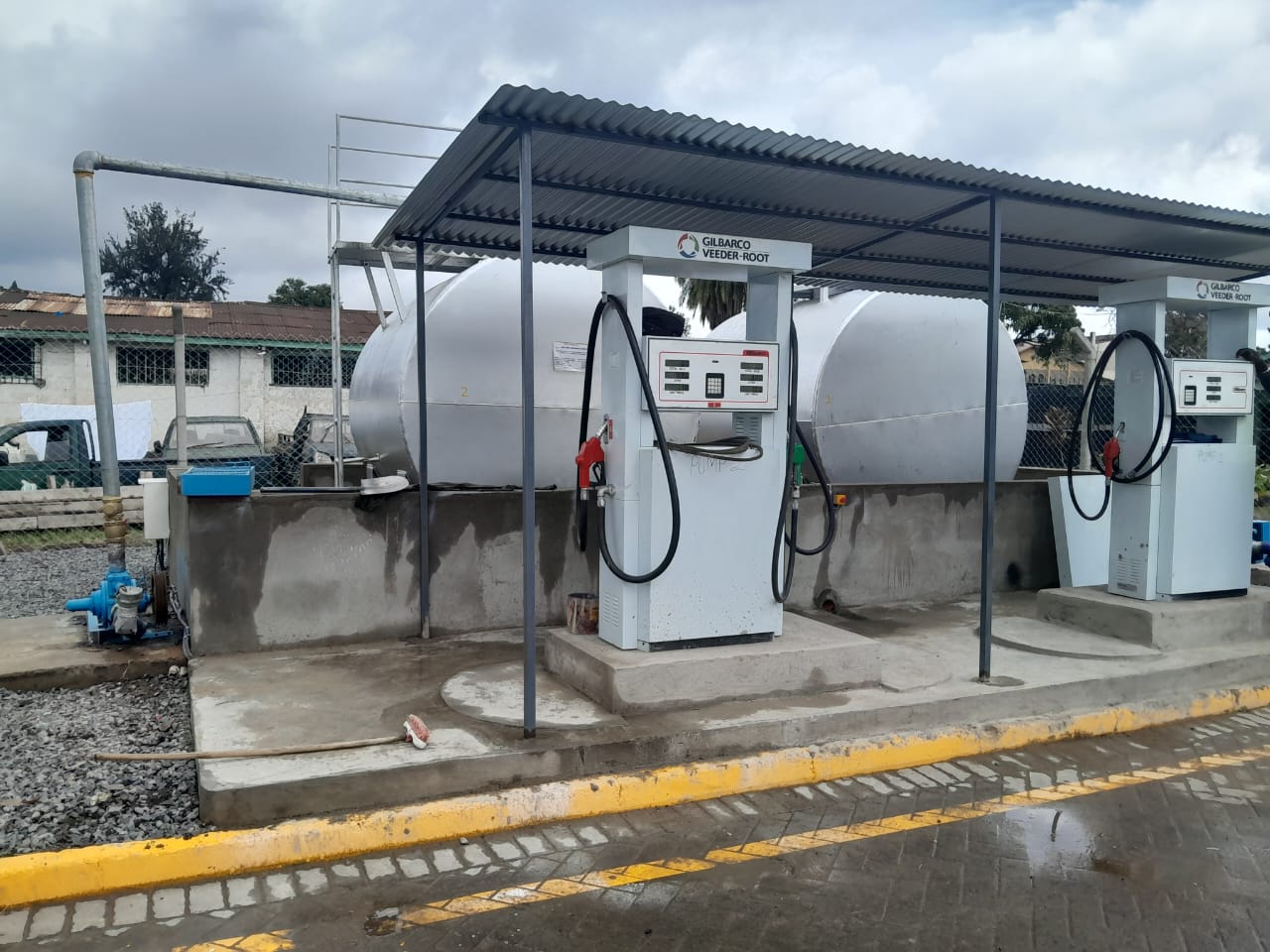
You must construct a bund wall or secondary containment system (often a concrete basin) around the tank. This structure must be liquid-tight and capable of holding at least 110% of the tank’s maximum capacity. This is a major requirement enforced by the National Environment Management Authority (NEMA) to prevent soil and water pollution in case of a spill.
Grounding and Venting
All tanks must be properly grounded (earthed) to discharge static electricity, which can cause sparks and fire. Vents must be installed to safely release air pressure and vapour build-up, adhering to fire and safety regulations.
Approvals and Records (The EPRA Licence)
To operate legally, you must secure a Petroleum Storage Licence from the Energy and Petroleum Regulatory Authority (EPRA). This licence requires:
- A Fire Clearance Certificate from the County Government.
- A valid Environmental Impact Assessment (EIA) Licence from NEMA.
- Certification from KEBS confirming the facility conforms to the applicable Kenya Standards (like KS EAS 977:2020 for installation).
- A valid certificate of registration as a workplace from the Directorate of Occupational Safety and Health Services (DOSHS).
- A detailed Emergency Response Plan.
Keep all inspection and calibration records updated to demonstrate that your tank complies with fuel tank standards in Kenya.
Simple Maintenance Tips
Proper care keeps tanks safe and extends their lifespan, aligning with fuel tank standards in Kenya‘s goal of preventing failure.
- Weekly Visual Check: Inspect for external signs of rust, peeling epoxy, leaks, or ground settlement.
- Regular Cleaning: Clean filters and ensure valves are working smoothly and not corroded.
- Corrosion Management: Recoat the tank with epoxy immediately if the protective layer is compromised.
- Calibration & Inspection: Arrange for periodic calibration and professional inspection by certified engineers (often mandated by EPRA and DOSHS).
Company
Universal Innovations & Industrial Limited
Most Recent Posts
- All Post
- Building Design & Finishes
- civil engineering in Kenya
- Construction Insights & Tips
- Construction Works in Kenya
- Electrical Installations in Kenya
- Fuel Infrastructure Projects
- HVAC services in Kenya
- Industrial & Corporate Construction
- Industrial Fabrication & Welding



Explore Our Services
Universal Innovation & Industrial Ltd. delivers high-quality mechanical, civil, and electrical engineering solutions with a commitment to safety, innovation, and efficiency—explore our services to see how we can support your next project.

For related construction cost info, also check: How Much Does Industrial Pump System Installation Cost in Kenya? .
Need Professional Help?
Ensuring full compliance with fuel tank standards in Kenya is complex. Professionals can inspect, design, and install tanks that meet the strict requirements of EPRA, NEMA, and KEBS. Universal Innovations offers inspection, design, and installation services for commercial and industrial fuel storage projects.
FAQ – Fuel Tank Standards in Kenya
1. What are the basic fuel tank standards in Kenya?
Fuel tank standards in Kenya set the rules for safe construction, installation, and operation of commercial and industrial fuel storage tanks. They cover materials, spacing, grounding, and containment requirements.
2. Which material is better for fuel tanks — mild steel or epoxy finish?
Both can meet fuel tank standards in Kenya. Mild steel is strong but may rust without protection. Epoxy finish adds corrosion resistance and is often recommended for long-term durability.
3. Are permits required to install a fuel tank in Kenya?
Yes. You need approvals from KEBS, NEMA, and EPRA to comply with fuel tank standards in Kenya. These ensure safety, environmental protection, and legal operation.
A new build is better when the old structure is weak, outdated, or cannot support your business layout. In such cases, the long-term cost is lower than renovating.
4. How should fuel tanks be maintained to comply with standards?
Regular maintenance includes checking for rust or leaks, cleaning valves and filters, re-coating epoxy if needed, and conducting professional inspections. Following these practices aligns with fuel tank standards in Kenya.
5. Who can help ensure my fuel tank meets Kenya’s standards?
Professional installers and engineers can inspect, design, and install tanks according to fuel tank standards in Kenya, ensuring compliance with KEBS, EPRA, and NEMA regulations.